

Key Takeaways
- Unplanned combines edge-of-your-seat suspense with profound moral questions about life, choice, and faith
- Kennedy Stern’s first shift volunteering at a pregnancy center leads to a dangerous mission to save a 13-year-old caller
- The novel examines the complex gray areas of pro-life convictions when faced with real-world circumstances
- Unplanned provides an example of compelling storytelling that tackles difficult subjects with compassion
- Kennedy’s missionary background gives her a unique perspective, but doesn’t prepare her for the deadly consequences of amateur detective work
A Desperate Call that Changes Everything
One desperate phone call is about to thrust Kennedy Stern into a life-or-death situation she never imagined. When Kennedy, a Harvard freshman and daughter of missionaries, agrees to volunteer at a pregnancy crisis center, she expects to offer advice and comfort. What she doesn’t expect is to receive a call from “Rose,” a terrified 13-year-old girl, that will haunt her long after they disconnect.
That voice on the other end of the line – young, frightened, and harboring a secret too dangerous to share – becomes Kennedy’s obsession. The most compelling stories often begin with a simple human connection that grows into something much more profound. Kennedy’s determination to help this anonymous caller will test not only her faith but also her very survival instincts.
“How far would you go to save a life?” This question echoes throughout Alana Terry’s gripping Christian suspense novel as Kennedy makes choices that pull her deeper into a world she’s not equipped to handle. The consequences? Potentially deadly.
Kennedy’s Double Life: Harvard Student and Crisis Volunteer
From Chinese Mission Field to Ivy League Campus
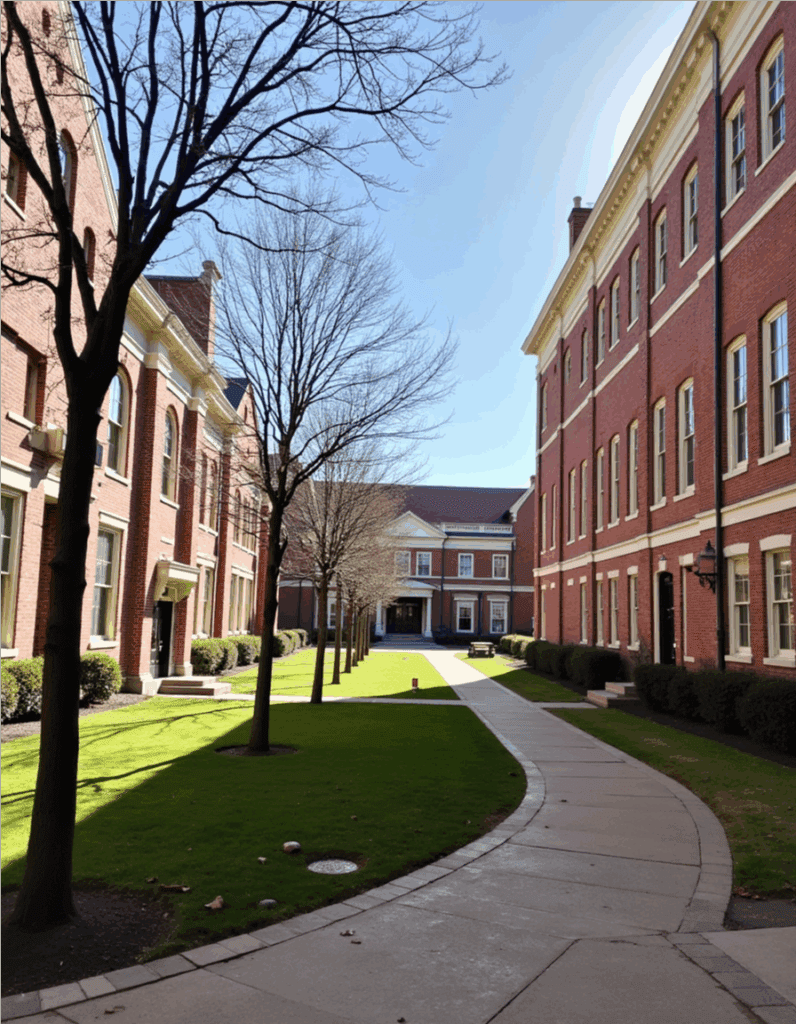
Kennedy Stern straddles two worlds. Raised on the Chinese mission field by her dedicated parents, she now walks the prestigious halls of Harvard University. The culture shock is real. While her peers worry about exams and social lives, Kennedy carries the weight of her missionary upbringing – a foundation of faith that both grounds her and complicates her adjustment to American college life.
The stark contrast between her sheltered upbringing and the intellectual freedom of Harvard creates a unique tension within Kennedy. Her faith, once the center of her existence in China, now competes with new ideas and challenging perspectives. This inner conflict makes her character relatable to anyone who has questioned their beliefs while trying to honor their upbringing.
Finding Purpose at the Pregnancy Center
When Kennedy agrees to help at the local pregnancy crisis center, she’s seeking something familiar – a way to serve others as she did alongside her missionary parents. What begins as a simple volunteer commitment quickly becomes a crucial part of her identity and a testing ground for her convictions.
The pregnancy center represents more than just a place to volunteer. It becomes a crucible where Kennedy’s abstract beliefs about life, choice, and compassion are tested against real human suffering and complex moral dilemmas. Her academic understanding of ethics suddenly feels inadequate when confronted with the raw desperation in the voice of her young caller.
Pastor Carl’s Unexpected Request
Pastor Carl, a family friend and connection to Kennedy’s past, doesn’t just ask her to volunteer – he entrusts her with the crisis hotline for an entire weekend. This seemingly simple request becomes the catalyst for everything that follows. As a longtime family friend who knew Kennedy during her childhood, his faith in her abilities pushes her to accept a responsibility she’s not fully prepared for.
The Thirteen-Year-Old Caller’s Terrifying Secret
A Voice Kennedy Can’t Forget
Some voices stay with you forever. For Kennedy, it’s the trembling voice of a thirteen-year-old girl – scared, pregnant, and in danger. This isn’t just another caller seeking guidance. Something in the girl’s tone, the way her words catch on barely suppressed sobs, triggers Kennedy’s protective instincts.

The call is brief, cut short before Kennedy can gather enough information. But those few minutes are enough to create an unbreakable connection. Kennedy can’t simply file this away as another hotline statistic. The girl’s fear becomes Kennedy’s fear; her desperation becomes Kennedy’s mission.
What begins as concern quickly transforms into obsession. Kennedy replays the conversation in her mind, analyzing every word, every pause, searching for clues she might have missed. She knows the girl needs help beyond what a pregnancy center can offer, but how can she find someone who deliberately left no trail?
The Moral Dilemma Behind the Call
The situation forces Kennedy to confront uncomfortable questions. Is it right to pursue someone who doesn’t want to be found? Where is the line between helping and interfering? As a Christian with strong pro-life convictions, Kennedy believes in protecting both mother and child – but what if her intervention makes things worse?
This isn’t an abstract ethical discussion in a Harvard classroom. It’s a flesh-and-blood crisis involving a terrified child carrying another life within her. Kennedy wrestles with competing moral imperatives: respect the caller’s privacy or potentially save her from harm.
The novel doesn’t offer easy answers. Instead, it places readers directly in Kennedy’s thought process as she weighs her responsibilities as a Christian, a volunteer, and simply as a human being who can’t ignore another’s suffering. Her decision to act sets in motion a chain of events that will test the limits of her courage and faith.
Faith Under Fire
Does God Hear Prayers in the Darkest Moments?
One of the novel’s most powerful themes emerges in these moments of crisis – the question of whether God is present and listening in our darkest hours. Kennedy finds herself praying desperately, urgently, with none of the formal, measured prayers of her past. These are raw pleas for help, survival, and understanding.
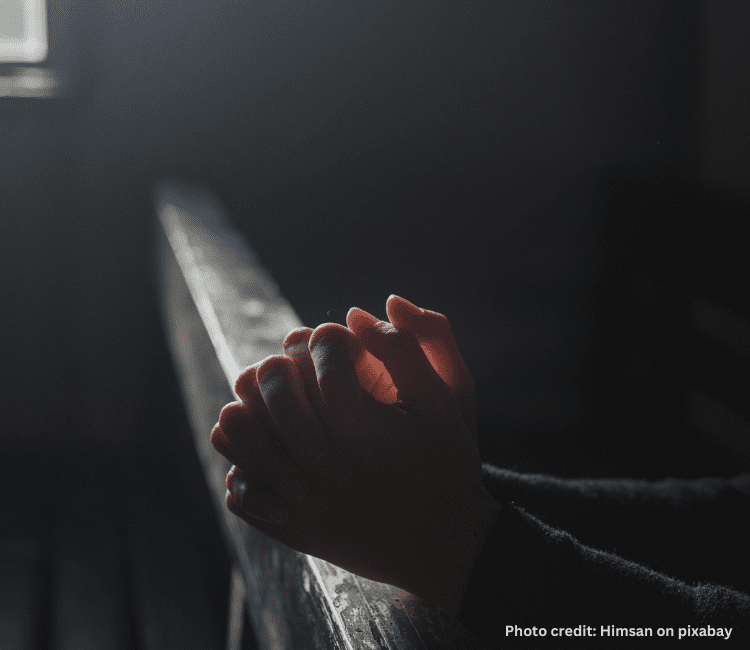
The silence that sometimes follows her prayers becomes its own character in the story. Kennedy must confront the uncomfortable reality that faith doesn’t guarantee immediate rescue or even clear answers. The God she thought she knew seems distant at times, leaving her to question everything she believed about divine protection and guidance.
Terry handles this spiritual struggle with honesty and nuance. She doesn’t shy away from Kennedy’s doubts or offer platitudes about God’s plan. Instead, she allows Kennedy to experience the full spectrum of spiritual questioning that often accompanies trauma and fear.
Finding Strength When Hope Seems Lost
When Kennedy reaches her lowest point – physically threatened, emotionally exhausted, and spiritually adrift – she discovers reserves of strength she never knew she possessed. This strength comes not from a sudden divine intervention but from something more subtle and profound: the accumulated wisdom from her upbringing, her education, and her deepening understanding of what truly matters.
The novel suggests that sometimes our greatest spiritual growth occurs not when faith comes easily, but when we must actively choose to believe despite uncertainty and fear. Kennedy doesn’t emerge from her ordeal with all questions answered, but with a more mature faith that can accommodate both certainty and doubt.
Her journey teaches her that strength often appears not as dramatic power but as quiet endurance – the ability to take one more breath, make one more attempt, hold on for one more moment when everything in you wants to surrender.
Confronting Life’s Gray Areas
When Pro-Life Convictions Meet Complex Realities
Through Kennedy’s experiences, Terry examines the complicated intersection of firm moral convictions and messy human realities. Kennedy begins with what seem like clear, black-and-white principles about the sanctity of life. These aren’t just intellectual positions but deeply held beliefs that form a core part of her identity as a Christian.
The situation with the thirteen-year-old caller forces Kennedy to navigate murky ethical waters. She remains committed to her pro-life values but comes to understand that applying those values requires wisdom, compassion, and humility. She must acknowledge that real-life situations rarely align perfectly with theoretical moral positions.
The novel doesn’t undermine Kennedy’s pro-life stance but expands her understanding of what it means to truly value and protect life in all its complexity. She learns that being pro-life extends beyond the unborn to include caring for vulnerable mothers, addressing systemic injustices, and sometimes making impossible choices between imperfect options.
Multiple Perspectives on Difficult Choices
One of the novel’s strengths is its willingness to present multiple viewpoints on controversial issues without demonizing any position. Through various characters, Terry examines different approaches to questions of choice, responsibility, and faith.
These perspectives aren’t presented as equal – the novel maintains its Christian worldview – but they are presented with empathy and understanding. Kennedy encounters people whose life experiences have led them to different conclusions than her own, forcing her to examine her assumptions and the privilege that has shaped her worldview.
This multi-faceted approach creates a richer, more nuanced study of difficult topics than a simple morality tale could provide. Readers are invited to think deeply about their own beliefs rather than being handed predetermined conclusions.
Survival, Rescue and Aftermath
Kennedy’s Breaking Point
Everyone has a breaking point – that moment when fear, pain, and exhaustion converge to shatter our carefully constructed facades. Kennedy reaches hers in a scene of gut-wrenching vulnerability. All her Harvard education, her missionary kid resilience, her spiritual training – none of it can prevent the very human moment when she simply cannot endure anymore.
This breaking becomes a pivotal moment in Kennedy’s character development. In acknowledging her limitations, she paradoxically finds a deeper strength. There’s a profound spiritual truth here: sometimes we must be emptied completely before we can be filled with something new and better.
The novel doesn’t glorify suffering but acknowledges its transformative potential. Kennedy emerges from her breaking point not triumphant but humbled, not stronger in conventional ways but more authentic and whole.
Unexpected Allies and Divine Timing
Just when all seems lost, help arrives from unexpected sources. People Kennedy dismissed, misunderstood, or never noticed become crucial to her survival. These surprising alliances underscore one of the novel’s key themes: our prejudgments often blind us to potential allies and sources of wisdom.
Terry weaves these moments of rescue with subtle suggestions of divine orchestration. The timing is too perfect, the coincidences too meaningful to be mere chance. Yet she resists heavy-handed declarations of miraculous intervention, allowing readers to see God’s hand working through ordinary people making courageous choices.

These instances of perfect timing raise profound questions about providence and human agency. Is it God intervening directly, or is it the result of people choosing to act with courage and compassion at critical moments? The novel suggests it might be both simultaneously.
Physical Wounds and Emotional Scars
Kennedy’s ordeal leaves her with both visible and invisible wounds. The physical injuries will heal with time, but the emotional and spiritual scars require a different kind of healing process. Terry doesn’t offer a neat resolution where all trauma is magically erased by faith. Instead, she portrays the messy, non-linear journey of recovery that follows profound trauma.
Through Kennedy’s healing process, readers witness the importance of community, professional help, and spiritual practices in recovering from traumatic experiences. Kennedy must learn to integrate her ordeal into her life story without letting it define her entirely. She must find ways to honor her pain without being consumed by it.
Perhaps most importantly, she discovers that healing doesn’t mean forgetting or pretending she wasn’t changed by what happened. True healing means finding meaning in suffering and allowing it to deepen her capacity for empathy and understanding toward others.
How Far Would You Go to Save a Life?
The question that drives the novel – “How far would you go to save a life?” – remains with readers long after the final page. Through Kennedy’s journey, we’re invited to examine our own boundaries, commitments, and values.
Kennedy’s answer evolves throughout the story. What begins as an abstract moral position becomes a lived reality with real costs and consequences. She discovers that saving lives is rarely as simple or clear-cut as it seems in theoretical discussions. It requires discernment, courage, and sometimes tremendous personal sacrifice.
The novel doesn’t prescribe a universal answer to this profound question. Instead, it respects readers enough to let them wrestle with it themselves. In doing so, it accomplishes what the best Christian fiction aims to do: it entertains while provoking deeper thought about what it means to live out faith in a broken world.
Alana Terry has crafted more than just a suspenseful page-turner. She’s created a thought-provoking study of faith, ethics, and human resilience that respects the intelligence of her readers while remaining true to her Christian worldview. Unplanned challenges and inspires, leaving readers eager to follow Kennedy Stern’s continuing journey in subsequent novels.
Character List
Kennedy Stern – freshman at Harvard – pre-med
Roger Stern – Kennedy’s father – lives in China
Carl Lindgren – pastor of St. Margaret’s Church
Sandy Lindgren – Carl’s wife
Nick – youth and children’s minister at St. Margaret’s Church
Reuben – Kennedy’s lab partner – from Kenya
Rose – a young teenager who calls the pregnancy center
Willow – Kennedy’s roommate – a theater major from Alaska
Wayne Abernathy – state senator, running for governor – an advocate for the pregnancy center
Vivian Abernathy – Wayne’s wife
Jody Abernathy – Wayne and Vivian’s daughter
Anthony Abernathy – Wayne’s brother
Mariah Abernathy – Anthony’s late wife
Dustin and Vinnie – abductors
Here is a downloadable character list:
***

Check out my novel Hawaiian Wildflower on Amazon.

Here are links to my blog indexes, so please click one and keep reading!
My Books, Workbooks, and Fun Books
Knowing the Unknowable One
Opening the Treasure Chest
Walking Heart-to-Heart with God
Walking Heart-to-Heart with Each Other
Fighting the Good Fight of Faith
Christian Mysteries: Why I Love Them!
List of Some Nonfiction Books You Don’t Want to Miss
Index of Assorted Topics