
The waters rose swiftly on that July 4th weekend in Kerrville, Texas. What should have been a celebration of freedom became a nightmare of loss. Over 100 lives were claimed by the flash floods, including children at Camp Mystic who were simply enjoying summer camp. As search and rescue efforts continue, families wait in agony for news of their loved ones, and a nation grieves.
In the face of such devastating loss, especially when children are involved, the human heart cries out with ancient questions: Where was God? How could a loving God allow innocent children to perish in such a terrifying way? If God is good, why didn’t He stop this?
These aren’t new questions, and they aren’t faithless ones. They’re the questions of anyone with a beating heart who has witnessed senseless tragedy. They’re Job’s questions, the psalmist’s questions, and they deserve thoughtful, honest answers.
We Live in a Broken World
The first truth we must acknowledge is that we live in a world that is not as God originally designed it. The Christian faith teaches that God created the world good—without death, suffering, or natural disasters. But human disobedience introduced sin and its consequences into creation, including the brokenness we see in nature itself.
This doesn’t mean God caused the Kerrville flood, nor does it mean those who died were being punished. Rather, it means we live in a world where tectonic plates shift, where weather patterns can turn violent, and where the very systems that usually sustain life can sometimes destroy it. The flood waters that swept through Kerrville weren’t an expression of God’s wrath—they were a tragic reminder that we live in a fallen world where such heartbreak is possible.
This understanding doesn’t erase the pain, but it does help us see that tragedy isn’t part of God’s original design. The tears we shed over lost children are tears that God shares, for this isn’t the world He intended.
The Mystery of Divine Purpose

When God finally responded to Job’s anguished questioning about his suffering, He didn’t provide a neat explanation. Instead, He reminded Job of the vastness of creation and the limits of human understanding. “Where were you when I laid the earth’s foundation?” God asked. “Tell me, if you understand.”
This isn’t God being dismissive of human pain—it’s God gently reminding us that His perspective spans eternity while ours is bound by time. There are aspects of divine purpose that our finite minds simply cannot grasp. The death of children in a flood seems senseless to us, and perhaps it is senseless in terms of earthly logic. But God’s ways are higher than our ways, and His thoughts higher than our thoughts.
This mystery isn’t meant to end our questions but to invite us into deeper trust. When we cannot trace God’s hand, we can still trust His heart. The same God who knows every sparrow that falls certainly knows and grieves over every child lost in those flood waters.
Hope Beyond the Waters
But the Christian faith doesn’t end with mystery—it ends with hope. The hope that suffering is not the final word, that death does not have the last say, and that God’s love is stronger than the deepest flood.
Through Christ’s own suffering, death, and resurrection, we’re promised that present sorrow is temporary. The God who raised Jesus from the dead has conquered the very forces that brought tragedy to Kerrville. Those children who were lost to the flood are not lost to God. The families who mourn are not mourning alone.
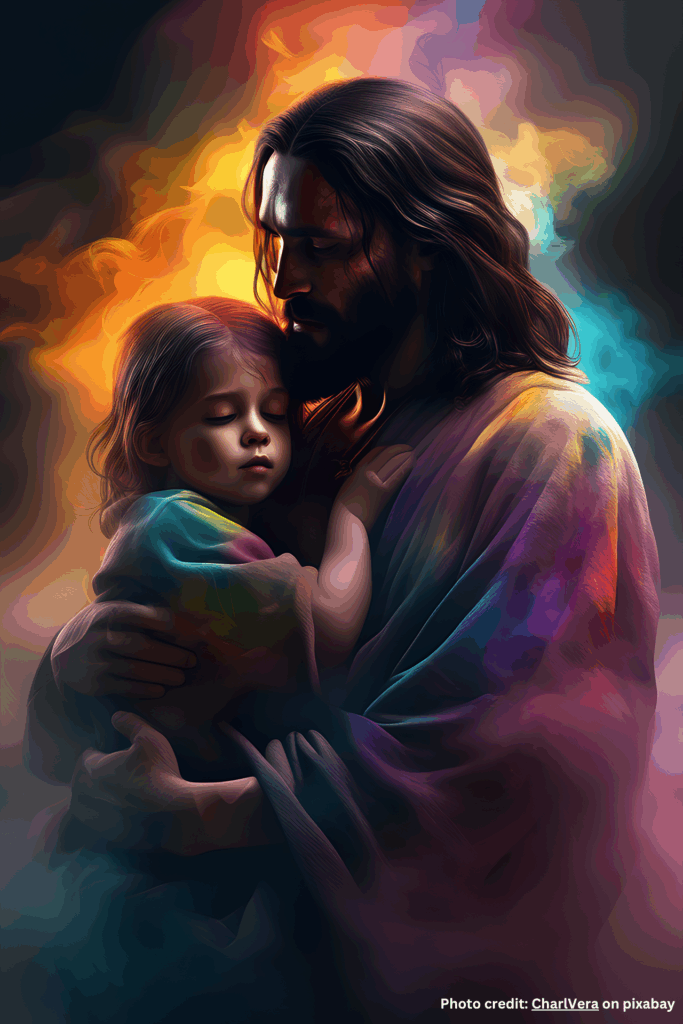
This hope doesn’t minimize the reality of loss or rush the process of grief. It does, however, offer the assurance that the story isn’t over. In God’s eternal kingdom, there will be no more floods, no more death, no more separation. Every tear will be wiped away, every loss will be redeemed, and every child will be safe in the arms of perfect love.
Our Response
As we grapple with these profound questions, we’re called to respond with both faith and action. We trust in God’s ultimate goodness while we work to comfort those who mourn, support those who search, and help those who have lost everything. We pray for the families waiting for news, for the first responders working tirelessly, and for a community trying to make sense of senseless loss.
We also allow ourselves to grieve. The God who made us with hearts capable of love also made us capable of sorrow. There’s no shame in tears, no weakness in questions, and no failure in wrestling with faith in the face of tragedy.
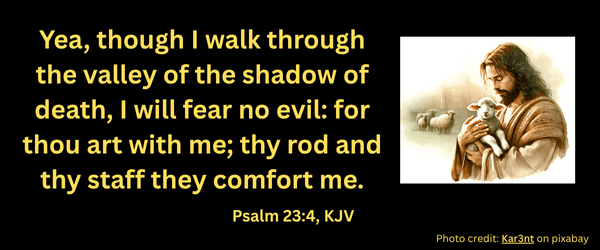
The waters of Kerrville have receded, but the questions they raised remain. We don’t have all the answers, but we have a God who walks with us through the valley of the shadow of death, who promises never to leave us or forsake us, and who offers hope that transcends even the deepest flood.
To the families who have lost loved ones, to the community that grieves, and to anyone whose faith has been shaken by this tragedy: your questions are valid, your pain is real, and your God is still good. In this broken world, that truth is both mysterious and miraculous—and it’s the hope that will carry us through the darkest waters.
***