

Throughout this blog series, we’ve explored what it means to walk with God—through the ordinary challenges of Monday morning and the extraordinary tragedies that can shatter our world. We’ve seen how Dr. W. Lee Warren’s faith sustained him through unimaginable loss, and we’ve explored practical ways to maintain that divine relationship in everyday life.
But I need to address something that breaks my heart: while some people respond to life’s disappointments and tragedies by walking deeper with God, others choose a different path entirely. They walk away. Or perhaps more tragically, they decide that instead of walking with God, they’ll rewrite God to walk with them.
This is the tragic irony of our time. In an age when authentic relationship with the Almighty is more available and necessary than ever, many are choosing to deconstruct their faith or embrace what’s called “progressive Christianity” – movements that choose to keep the comforting parts of faith while discarding the challenging ones.
Understanding the Appeal
I understand why deconstruction feels attractive. When you’ve been hurt by the church, when your prayers seem unanswered, when God’s ways don’t make sense to your human reasoning, there’s something seductive about the promise that you can keep Jesus while discarding the “problematic” parts of biblical Christianity.
Progressive Christianity whispers sweetly: “You can have spirituality without submission, love without law, grace without truth, relationship without repentance.” It offers the comfort of feeling spiritual while never having to wrestle with the uncomfortable reality that God’s thoughts are not our thoughts, and His ways are not our ways. (Isaiah 55:8)
The movement promises to rescue you from a “toxic” understanding of God by helping you create a “healthier” one – a God who always affirms your choices, never challenges your lifestyle, and certainly never calls you to anything that feels restrictive or difficult.
But here’s the fundamental question we must ask: Who’s walking with whom?
The Fundamental Problem: Redefining the Relationship
When we look at the biblical examples of walking with God – Adam and Eve in the garden, Enoch who pleased God so much he was taken to Heaven, Noah who obeyed even when it seemed absurd – we see a consistent pattern. They walked with God on His terms, according to His character, following His ways.
Walking with God has never meant that God adapts Himself to our preferences. It means we align ourselves with His truth, His character, His revealed will. The relationship requires us to be transformed by Him, not to transform Him into our image of Him.
But progressive Christianity and deconstruction flip this relationship entirely. Instead of asking, “How can I conform my life to God’s truth?” they ask, “How can I conform God’s truth to my life?” Instead of being changed by walking with God, they change God to make the walk more comfortable.
This isn’t walking with God – it’s creating a god to walk with you. And that god, however comforting, is ultimately an idol.
When Tragedy Strikes: Two Different Responses
The difference between authentic faith and reconstructed faith becomes starkest when tragedy strikes. Remember Dr. Warren’s response to his son’s murder? He was angry, devastated, and confused – but he stayed. He wrestled with God, questioned God, even raged at God, but he didn’t abandon God or rewrite God.
Compare that to the deconstructionist response to tragedy: “A good God wouldn’t allow this, so either God isn’t good, or God isn’t sovereign, or the Bible’s understanding of God is wrong.” Instead of wrestling with the mystery of God’s ways like Job did, they solve the problem by recreating God in their own image – a God who would never allow suffering, never permit injustice, never require anything difficult.
But here’s reality: the faith that survives tragedy is the faith built on God’s character rather than our expectations. Dr. Warren’s faith endured because it was rooted in who God is, not in what God owed him. Deconstructed faith crumbles because it is built on the foundation of human reasoning rather than divine revelation.
The difference between honest doubt and rebellious reconstruction is this: honest doubt says, “I don’t understand, but I trust You.” Rebellious reconstruction says, “I don’t understand, so I’ll create a God I can understand.”
The Fruit Test: Where Each Path Leads

Jesus said we would know them by their fruits, so let’s honestly examine where each path leads.
Progressive Christianity promises freedom, love, and authenticity. But look at the actual fruit in people’s lives. People who deconstruct their faith, thinking they’re moving toward greater spiritual health, find themselves more anxious, more bitter, more spiritually empty than before. The “authentic” life they thought they were gaining often becomes a life without moral boundaries, without transcendent purpose, without the peace that comes from walking in truth.
Meanwhile, those who choose to walk deeper with God through their struggles discover something profound. They find that God’s ways, even when mysterious, lead to genuine transformation. His laws, even when challenging, create boundaries that protect rather than restrict. His truth, even when difficult, provides a foundation that holds when everything else shakes.
The reconstructed god of progressive Christianity offers temporary comfort but no lasting power. You can’t be transformed by a god you’ve created to validate your existing choices. You can’t find peace in a relationship with a deity if you’re the one in charge.
The Hard Truth About God’s Ways
Here’s what progressive Christianity gets fundamentally wrong: it assumes that God’s laws are arbitrary restrictions imposed by a cosmic killjoy. But biblical wisdom teaches us that God’s commands flow from His love and His perfect knowledge of what leads to human flourishing.
When God calls us to sexual purity, it’s not because He’s anti-pleasure – it’s because He designed sexuality and knows how it works best. When He calls us to forgive our enemies, it’s not because He’s naive about justice – it’s because He knows that bitterness destroys the one who harbors it. When He calls us to die to self, it’s not because He wants to diminish us – it’s because He knows that abundant life comes through surrender to Him.

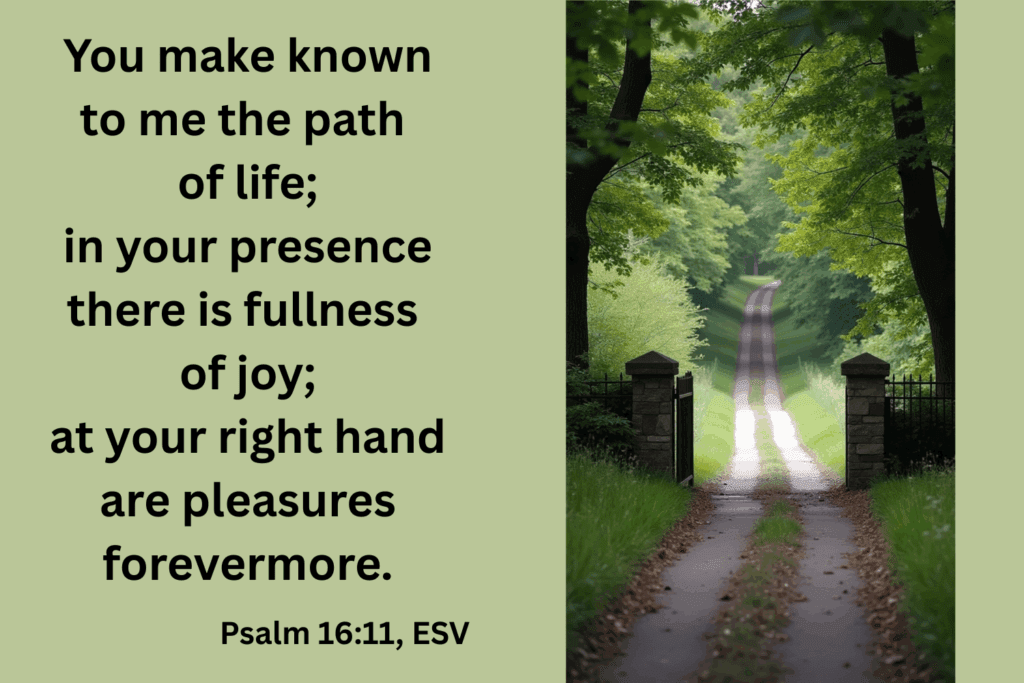
Walking with God means trusting that His wisdom surpasses our understanding. It means recognizing that submission to His ways actually leads to greater freedom, not less. The boundaries He sets aren’t prison walls – they’re guardrails that keep us on the path of life.
Progressive Christianity believes we can make ourselves the final authority on truth, morality, and even God’s character. But if we’re wise enough to be the judge of God, then we don’t need God at all. We’ve simply created a religious version of humanism.
A Call Back to the True Path
If you’ve found yourself wandering down the path of deconstruction, I want you to know that God hasn’t given up on you. The same God who walked with Adam and Eve after they fell, who welcomed the prodigal son home, who restored Peter after his denial, is ready to welcome you back to the true walk.
But coming back requires honesty about what went wrong. It means acknowledging that rewriting God to fit our preferences isn’t spiritual growth – it’s spiritual regression. It means admitting that our hurt or confusion or disappointment led us to trust our own understanding rather than His revealed truth.
There’s a difference between honest questioning and rebellious rewriting. Questions like “Why did this happen?” or “How can I trust You in this?” are the language of relationship. But statements like “A loving God wouldn’t require this” or “The Bible must be wrong about that” are the language of replacement – replacing God’s truth with our preferences.
The beautiful reality is that God can handle your honest questions, your struggles, your doubts. What He cannot honor is your attempt to recreate Him in your image. He loves you too much to let you worship a god of your own making, because that god has no power to save, transform, or satisfy your deepest longings.
The Choice Before Us
Every generation faces this fundamental choice: Will we walk with God as He has revealed Himself, or will we create a god who walks with us as we are?
The first path is narrow and sometimes difficult. It requires us to trust when we don’t understand, to obey when it’s costly, to surrender when we’d rather control. But it leads to life – real life, abundant life, eternal life.

The second path is wide and initially comfortable. It validates our choices, affirms our wisdom, and never challenges our autonomy. But it ultimately leads to spiritual death – the slow suffocation of the soul that comes from worshiping a god too small to save us from ourselves.
Progressive Christianity and deconstruction offer the temporary comfort of customized spirituality, but they cannot provide what every human heart desperately needs: transformation, transcendence, and truth that stands regardless of our feelings about it.
The God of the Bible – the God who walked with Enoch, who sustained Dr. Warren, who wants to walk with you – is not always easy to understand, but He is always faithful. His ways are not always comfortable, but they are always good. His truth is not always affirming, but it is always liberating.
The choice is yours: Will you walk with the God who created you, loves you, and knows what’s best for you? Or will you create a god who simply tells you what you want to hear?
One path leads to authentic relationship with the Almighty. The other leads to a conversation with yourself dressed up in religious language.
The real God is waiting. He’s been walking this path for thousands of years, and His invitation to join Him hasn’t changed: “Come, walk with Me—not as you think I should be, but as I am. Trust Me enough to let Me transform you, rather than you transforming Me to fit your life.”
That’s the invitation. That’s the choice. That’s the path that leads to life.
Through her books, Alisa Childers taught me everything I know about the deconstruction of Christianity. If you want to know more about this topic, here’s a link to her website: Alisa Childers.
***
This blog is #5 in My Walking with God Series:
“A Precious Promise: God’s Greatest Gift” – God’s sweetest gift to humanity is Himself.
“Our Walk with God: Rediscovering Humanity’s Purpose” – a follow-up to the previous blog, describing the incomparable wonder of walking with God
” ‘Hope Is the First Dose’: Recovering from Massive Tragedy” – a neurosurgeon’s story of loss, despair, and gradual, painful recovery
“When Walking with God Looks Like Washing Dishes” – how to develop a close, daily relationship with God
“When Walking with God Becomes Rewriting God: The Deconstruction Detour” – this blog
“Walking with the True God: Navigating the Sacred Path Without Losing Your Way” – when our zeal for God overflows, we must be sure we are walking with the true God, not a deceiving spirit

I suspect that much of the chaos in Christianity these days results from a lack of understanding of spiritual warfare. In my book The Bible in Brief: A Historical Summary of God’s Story from the Beginning to the End of Time, I describe many occasions when God’s actions seem unexplainable unless we realize He was protecting His people from dark spiritual forces. Click on one of the books below if you’d like to know more.


Here are links to my blog indexes, so please click one and keep reading!
My Books, Workbooks, and Fun Books
Knowing the Unknowable One
Opening the Treasure Chest
Walking Heart-to-Heart with God
Walking Heart-to-Heart with Each Other
Fighting the Good Fight of Faith
Christian Mysteries: Why I Love Them!
List of Some Nonfiction Books You Don’t Want to Miss
Index of Assorted Topics