
“Peace on earth, goodwill toward men.”
We sing it every Christmas. We put it on cards and yard signs. We imagine the night Jesus was born as a moment of cosmic tranquility—silent, holy, calm, and bright.
But the world Jesus entered was anything but peaceful.
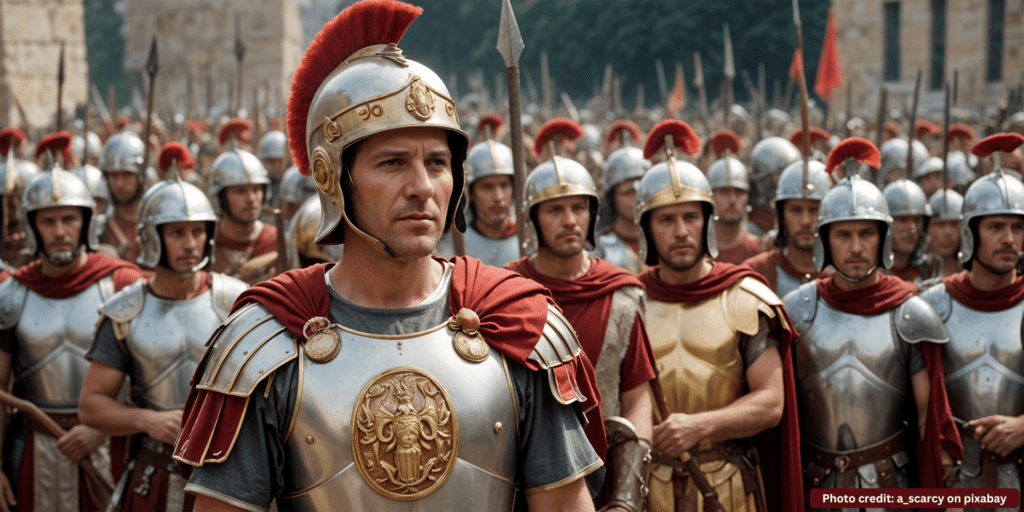
He was born under Roman military occupation. His family became refugees fleeing a genocidal king. His early years were shadowed by political violence, imperial oppression, and a powder keg of religious and nationalist tensions ready to explode.
If God wanted to send the Prince of Peace into the world, why choose that moment? Why not wait for a golden age of stability and prosperity? Why not arrive when people were receptive, secure, and ready to listen?
The answer reveals something profound about the kind of peace Jesus came to bring—and the kind of world He came to save.
The Empire That Ruled the World
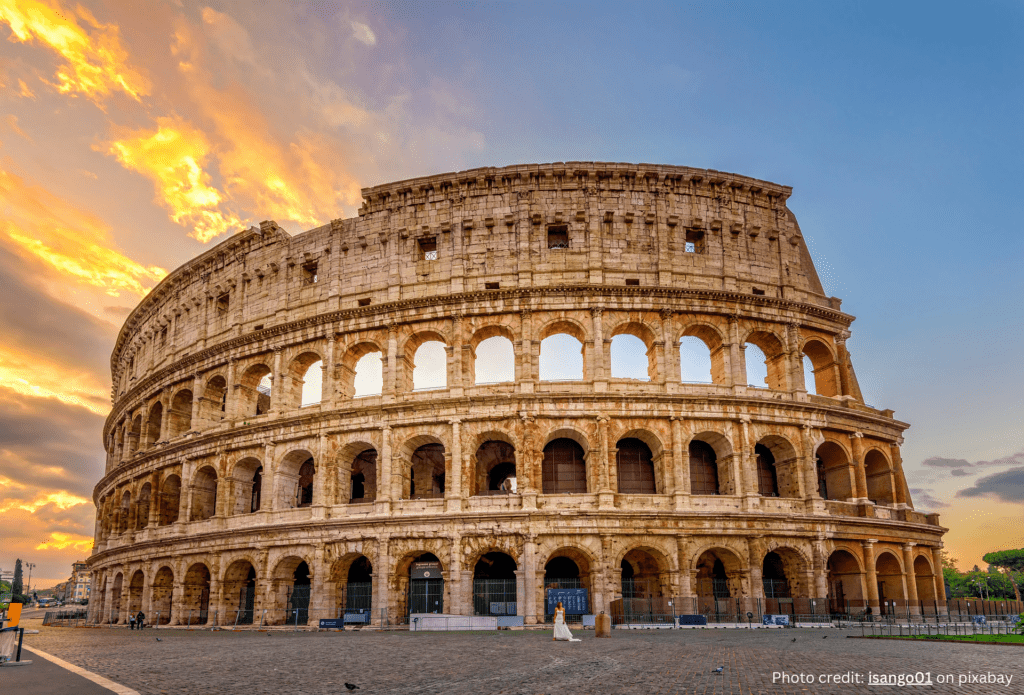
By the time Jesus was born, Rome had conquered most of the known world. The Pax Romana—the “Roman Peace”—stretched from Britain to North Africa, from Spain to Syria. But calling it “peace” was propaganda.
The Romans maintained order through overwhelming military force, brutal suppression of dissent, and the ever-present threat of crucifixion for anyone who challenged imperial authority. They taxed conquered peoples into poverty to fund their lavish lifestyle and military machine. They demanded worship of the emperor as a god, making political loyalty inseparable from religious obedience.
For occupied peoples like the Jews, Roman “peace” meant foreign soldiers patrolling your streets, foreign governors controlling your economy, foreign laws superseding your traditions, and foreign gods being worshiped in your land. It meant watching your neighbors crucified along the roadside as a warning. It meant living with a constant, humming tension between submission and rebellion, survival and dignity.
This was the world into which the angels announced “peace on earth.”
The Paranoid King
If Rome was the distant threat, Herod was the immediate danger. Known to history as “Herod the Great,” he was actually Herod the Terrible—a paranoid tyrant who murdered anyone he perceived as a threat, including three of his own sons, his favorite wife, her mother, and various other family members.
The Roman emperor Augustus once quipped that it was safer to be Herod’s pig than his son—a dark joke recognizing that Herod, as a nominal Jew, wouldn’t eat pork but had no qualms about killing his children.
This was the man ruling Judea when Jesus was born. When foreign dignitaries showed up asking about a newborn “king of the Jews,” Herod’s response was predictable and brutal: kill all the baby boys in Bethlehem. Better to slaughter dozens of infants than risk losing power to a potential rival.
The Massacre of the Innocents—often sanitized or skipped in Christmas pageants—was entirely consistent with Herod’s character and the violent political climate of the time. Jesus entered a world where babies were murdered for political expedience, where tyrants clung to power at any cost, where might made right and the vulnerable were expendable.
A People on the Brink
The Jewish people in Jesus’ day were not a unified, peaceful community patiently waiting for a Messiah. They were a fractured, traumatized nation desperately divided over how to survive under occupation.
The Pharisees believed in strict adherence to the Law as a way of maintaining Jewish identity and purity under foreign rule. The Sadducees, who controlled the temple, collaborated with Rome to maintain their wealth and status. The Essenes withdrew to the desert, convinced that mainstream Judaism was hopelessly compromised. The Zealots advocated violent resistance and dreamed of armed rebellion.
Messianic expectations were sky-high. People were looking for a warrior-king who would overthrow Rome, restore Israel’s sovereignty, and establish God’s kingdom through military victory. Multiple would-be messiahs had already appeared, gathered followers, and been brutally crushed by Roman forces.
The air was thick with apocalyptic expectation, political frustration, religious fervor, and barely contained rage. Any spark could ignite an explosion—and eventually it did, when the Jewish revolt of 66-70 AD led to the destruction of Jerusalem and the temple.
This was the tinderbox world Jesus was born into.
Why Not Wait?
So again: why this moment? Why not wait for better circumstances?
God could have sent Jesus during Solomon’s golden age, when Israel was prosperous, powerful, and at peace. He could have waited for a benevolent ruler, a stable government, a receptive culture. He could have chosen a moment when people weren’t distracted by survival, traumatized by violence, or divided by politics.
But He didn’t. And that matters.
Because Jesus didn’t come to fix the externals first. He didn’t come to establish earthly peace and then offer spiritual peace as dessert. He came to bring a peace that exists despite—and even within—external chaos. A peace that Roman legions can’t give and paranoid kings can’t take away. A peace that doesn’t depend on political stability, economic prosperity, or favorable circumstances.
Because the people who most need saving are those in impossible situations. It’s easy to trust God when life is comfortable. It’s easy to have faith when the government is benevolent, the economy is strong, and the future is bright. But Jesus came for people living under oppression, people traumatized by violence, people with no earthly reason for hope. His birth announced that God shows up not after the storm passes, but in the middle of it.
Because God’s kingdom operates by different rules than earthly kingdoms. Rome conquered through military might. Herod ruled through fear and violence. The Zealots dreamed of overthrowing the oppressors by becoming oppressors themselves. But Jesus came as a baby—the ultimate picture of vulnerability and powerlessness. The angels announced His arrival to shepherds, not senators. He grew up in obscurity, not in a palace. And when He finally launched His kingdom, it was through sacrifice, not conquest. Through dying, not killing.
Because instability reveals what we really believe about God. When circumstances are good, we can fool ourselves into thinking we’re faithful. But crisis exposes whether our faith is in God or in our comfortable circumstances. The Jews of Jesus’ day were forced to confront a hard question: Can we still believe in God’s goodness when Rome occupies our land and Herod slaughters our children? Jesus was born into that question as God’s answer: Yes. I am here. Even now. Especially now.
The Wrong Kind of Messiah
When Jesus finally began His public ministry, He disappointed almost everyone. He didn’t rally an army. He didn’t overthrow Rome. He didn’t restore Israel’s political sovereignty. He didn’t give people the kind of salvation they wanted.
Instead, He talked about loving enemies. Turning the other cheek. Forgiving seventy times seven. He welcomed tax collectors like Matthew and revolutionaries like Simon the Zealot into the same inner circle. He refused to be recruited by any political faction. When people tried to make Him king by force, He withdrew. When Peter tried to defend Him with a sword, He told him to put it away.
This was the wrong kind of Messiah for a people desperate for political liberation.
But it was exactly the right kind of Messiah for people who needed liberation from deeper things—from sin, from hatred, from the cycle of violence and revenge, from the spiritual bondage that makes us complicit in our own oppression and someone else’s.
Peace on Earth—Eventually
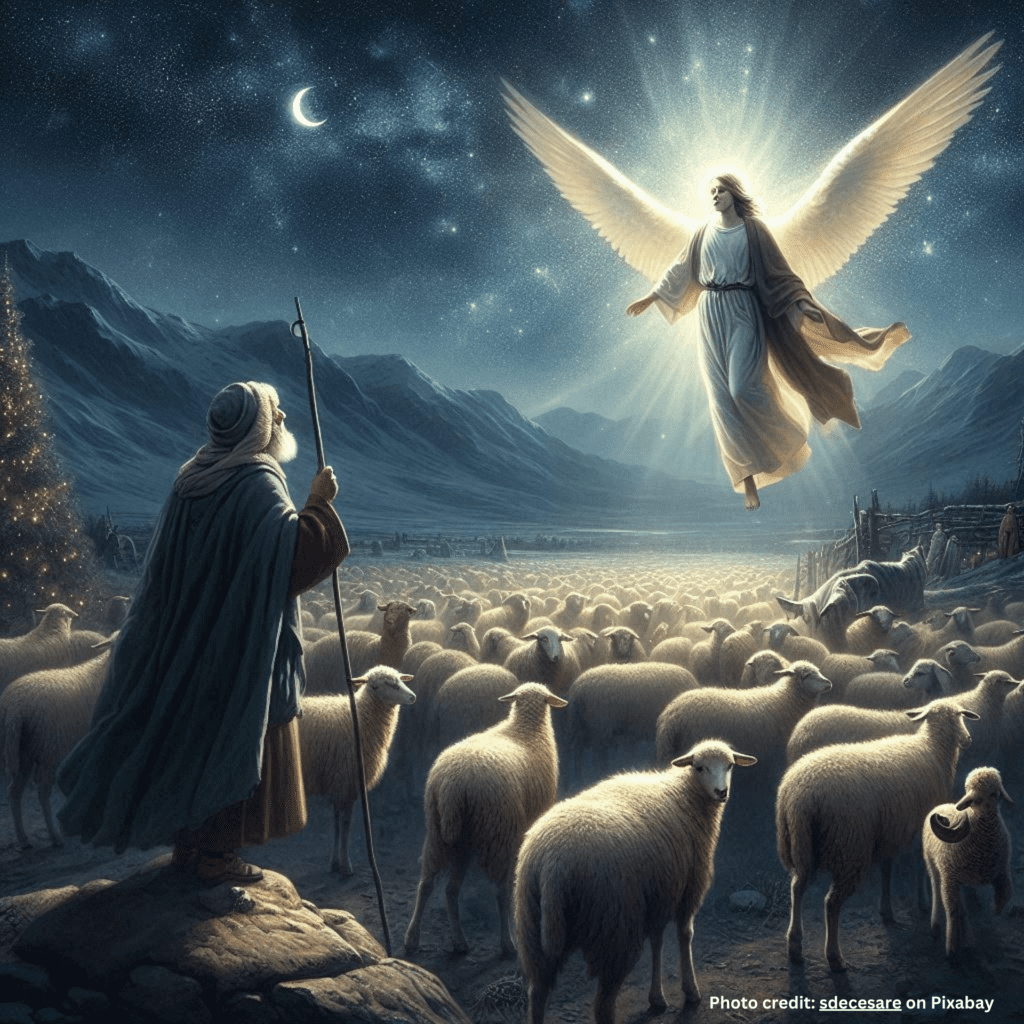
The angels’ announcement of “peace on earth” wasn’t describing the immediate situation. It was a promise of something Jesus came to make possible—but not in the way anyone expected.
Jesus didn’t bring peace by making the Romans go away. They didn’t. In fact, things got worse. The tensions that simmered during His lifetime exploded into full-scale war a generation later.
Jesus brought peace by creating a community that could experience and demonstrate God’s shalom—His wholeness, His right-ordering of relationships—regardless of external circumstances. A community where Jew and Gentile could fellowship together. Where slave and free could be brothers and sisters. Where enemies could become friends. Where the normal rules of power, status, and revenge were turned upside down.
This was revolutionary not because it overthrew governments, but because it rendered them irrelevant to what mattered most.
Rome could occupy the land, but it couldn’t touch the kingdom Jesus established in human hearts. Herod could murder babies, but he couldn’t stop the growth of a movement built on dying to self rather than killing others. Political instability could disrupt daily life, but it couldn’t shake a peace rooted in the unshakeable promises of God.
What This Means for Us
We live in a time of political instability, polarization, and anxiety. Many of us feel like the world is coming apart, like the foundations are crumbling, like the future is uncertain and frightening.
We’re tempted to think that we need to “fix” the political situation before we can experience God’s peace or advance His kingdom. We’re tempted to believe that our hope depends on the right people being in power, the right policies being enacted, the right party winning.
But Jesus’ birth in the middle of Roman occupation and Herodian tyranny says otherwise.
God’s kingdom doesn’t depend on favorable political conditions. It advances regardless of who holds earthly power. In fact, it often thrives most when external circumstances are most hostile—because that’s when the difference between earthly kingdoms and God’s kingdom becomes most clear.
This doesn’t mean political engagement doesn’t matter. Justice matters. Good governance matters. Working for peace matters. But it does mean we don’t have to wait for political stability before we can experience or demonstrate the peace of Christ. We don’t have to have power before we can be faithful. We don’t have to fix the system before we can live as citizens of God’s kingdom within it.
The peace Jesus offers isn’t the absence of conflict. It’s the presence of God in the middle of conflict. It’s not safety and comfort. It’s shalom—wholeness, right relationship with God and others, even when everything around us is falling apart.
The Paradox of Christmas
Here’s the paradox at the heart of Christmas: God chose to enter a violent, unstable, unjust world not after those problems were solved, but while they were at their worst. He came not to the powerful but to the powerless. Not to the palace but to the stable. Not with armies but as an infant.
And in doing so, He redefined what victory looks like, what power means, and what hope is possible even in the darkest circumstances.
If you’re reading this during a time of political anxiety, economic uncertainty, or social upheaval—if the world feels chaotic and the future feels frightening—remember this: Jesus was born into exactly this kind of world. And He brought peace anyway. Not by fixing Caesar’s regime or removing Herod from power, but by establishing a kingdom that exists alongside and outlasts all earthly kingdoms.
The angels’ announcement of “peace on earth” wasn’t naive optimism. It was a declaration of war—a claim that God’s peace would invade the world’s chaos, that His kingdom would take root in hostile soil, and that no amount of political instability could stop what He came to do.
That promise is still true. The world Jesus entered was marked by violence, oppression, and instability. The world we live in often feels the same. But the peace He came to bring doesn’t depend on external circumstances. It depends on Him.
And He is still here. Still offering peace in the storm. Still building His kingdom in hostile territory. Still accomplishing His purposes through unlikely people in impossible situations.
Peace on earth? Yes. But not the kind Rome could give. And not the kind any earthly power can take away.
In what ways are you waiting for external circumstances to stabilize before you experience God’s peace? What if His peace is meant to sustain you during the instability, not merely after it’s resolved?



Here are links to my blog indexes, so please click one and keep reading!
My Books, Workbooks, and Fun Books
Knowing the Unknowable One
Opening the Treasure Chest
Walking Heart-to-Heart with God
Walking Heart-to-Heart with Each Other
Fighting the Good Fight of Faith
Christian Mysteries: Why I Love Them!
List of Some Nonfiction Books You Don’t Want to Miss
Index of Assorted Topics