
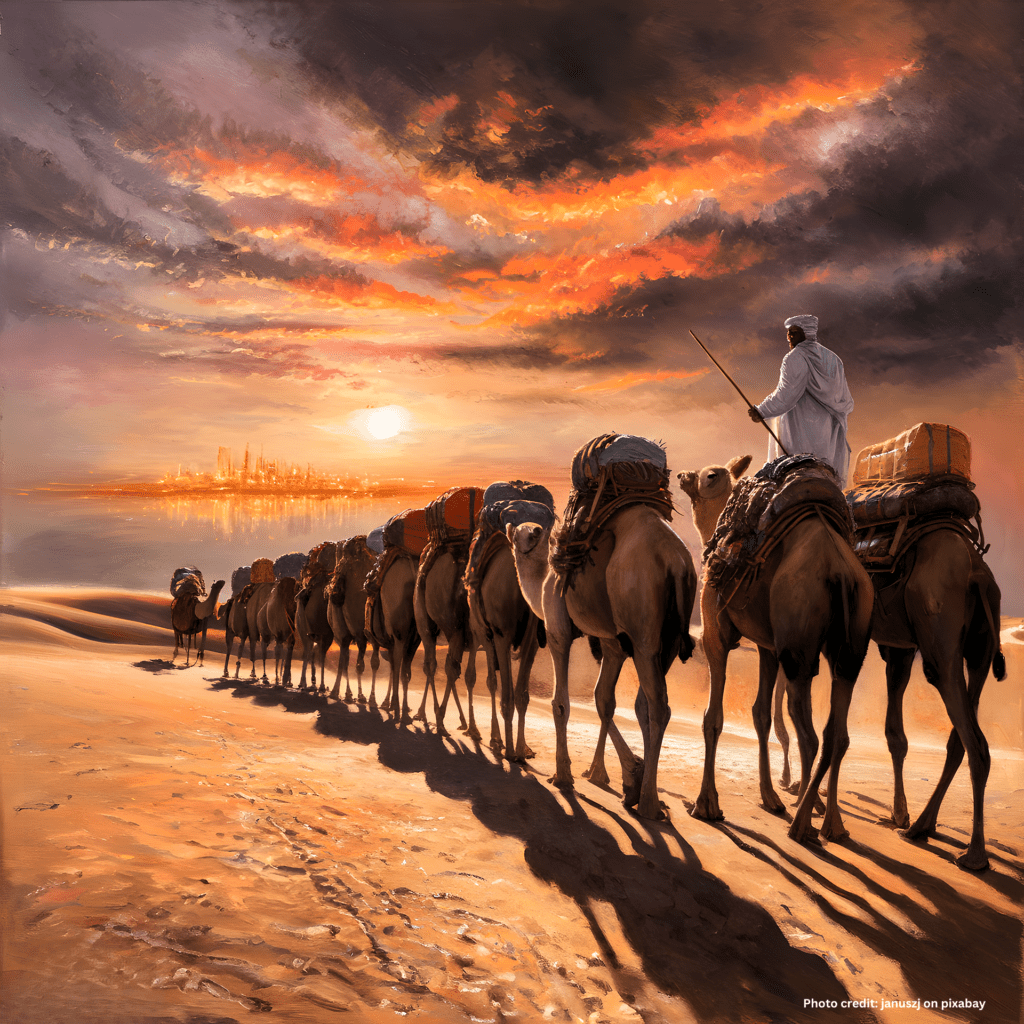
We call them wise men. We sing about them in carols. We give them names (Caspar, Melchior, and Balthazar, though Scripture never does). We put them in every nativity scene, kneeling peacefully beside the manger with their expensive gifts.
But we rarely talk about their catastrophic error in judgment, a mistake that led directly to the massacre of innocent children.
The Magi followed a star hundreds of miles to find the newborn King of the Jews. They studied ancient prophecies. They brought appropriate gifts. They worshiped correctly. By all accounts, they did everything right.
Except for one thing: they stopped at Herod’s palace first.
That one decision – which probably seemed perfectly logical at the time – set in motion a chain of events that ended with soldiers slaughtering toddlers in Bethlehem while their mothers screamed.
And yet, somehow, God still used even this terrible mistake to accomplish His purposes.
The Logic of the Wrong Turn
Put yourself in the Magi’s sandals. You’re scholars from the East, probably from Persia or Babylon, who have spent years studying the stars and ancient texts (such as the writings of the prophet Daniel). You’ve identified a celestial phenomenon that indicates the birth of a Jewish king. So you organize an expedition, gather lavish gifts befitting royalty, and travel hundreds of miles to pay homage.
When you arrive in Judea, where do you go first?
The palace, obviously. If a king has been born, surely the current king would know about it. Surely the royal court would have information. Surely this is where you’d find the child.
It made perfect sense. It was the reasonable, logical thing to do.
It was also a disaster.
Matthew 2:1-3 tells us: “After Jesus was born in Bethlehem in Judea, during the time of King Herod, Magi from the east came to Jerusalem and asked, ‘Where is the one who has been born king of the Jews? We saw his star when it rose and have come to worship him.’ When King Herod heard this he was disturbed, and all Jerusalem with him.”
The Magi’s innocent question – “Where is the one who has been born king of the Jews?” – was the equivalent of walking into a paranoid dictator’s throne room and asking, “Hey, where’s your replacement?”
Herod’s Paranoia
To understand the magnitude of this mistake, you need to understand Herod. He was pathologically paranoid about threats to his throne. He’d already murdered his favorite wife, her mother, her grandfather, and three of his own sons because he suspected them of plotting against him.
When the Roman emperor Augustus heard about Herod killing his sons, he reportedly quipped that it was safer to be Herod’s pig than his son – a dark joke referencing the fact that Herod, as a nominal Jew, wouldn’t eat pork but had no qualms about killing family members.
This was the man the Magi asked about a rival king.
Herod’s response was calculated and deceptive. He gathered the chief priests and teachers of the law and asked where the Messiah was to be born. They quoted Micah 5:2: in Bethlehem. Then he called the Magi secretly, found out exactly when the star had appeared, and sent them to Bethlehem with instructions: “Go and search carefully for the child. As soon as you find him, report to me, so that I too may go and worship him.”
He had no intention of worshiping. He intended to kill.
The Massacre They Triggered
After the Magi found Jesus, worshiped Him, and presented their gifts, they were warned in a dream not to return to Herod. They went home by another route. When Herod realized he’d been outwitted, his response was brutal and predictable:
“He gave orders to kill all the boys in Bethlehem and its vicinity who were two years old and under, in accordance with the time he had learned from the Magi.”
The Massacre of the Innocents. Mothers weeping for their sons. Rachel weeping for her children and refusing to be comforted, because they were no more.
The Magi’s visit to Herod’s palace – their reasonable, logical decision to start at the seat of power – led directly to this atrocity.
Could They Have Known?
It’s easy to judge the Magi from our position of hindsight. We know who Herod was. We know what happened. But did they?
They were foreigners. They probably knew Herod was king, but they may not have known his reputation for murderous paranoia. They were scholars, not political operatives. They were following a star and searching for a child to worship, not trying to navigate the dangerous waters of Judean politics.
Their mistake was understandable. Reasonable, even. When you’re looking for a king, you start at the palace. That’s just common sense.
But common sense, in God’s kingdom, is often the wrong guide.
How God Redeemed the Mistake
Here’s where the story gets remarkable: God didn’t abandon His plan because the Magi made a terrible error. He worked through it and around it.
He warned Joseph. Before Herod could act on the information the Magi unwittingly provided, an angel appeared to Joseph: “Get up, take the child and his mother and escape to Egypt. Stay there until I tell you, for Herod is going to search for the child to kill him.” Jesus was saved.
He redirected the Magi. After they found Jesus, God warned them in a dream not to return to Herod. Their obedience to this second guidance, learning from their first mistake, protected Jesus from immediate danger.
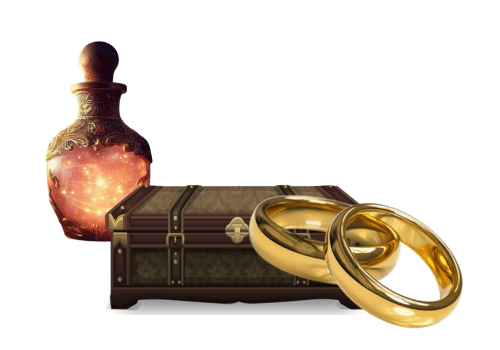
He used their gifts. The frankincense, myrrh, and gold the Magi brought weren’t just symbolic. They were valuable resources that a carpenter’s family could sell or trade. These gifts almost certainly funded the family’s unexpected flight to Egypt and their time as refugees. The Magi’s worship inadvertently provided the means for the Holy Family’s escape.
He fulfilled prophecy even through tragedy. The massacre in Bethlehem, horrible as it was, fulfilled Jeremiah’s prophecy about Rachel weeping for her children. Even Herod’s evil served to demonstrate that Jesus’ coming was exactly what the prophets had foretold – the arrival of the Messiah would bring upheaval, suffering, and the exposure of evil before it brought ultimate redemption.
God’s plan wasn’t derailed by the Magi’s mistake. If anything, their error revealed both the extent of human brokenness (Herod’s evil) and the extent of God’s providence (His protection of Jesus despite human failure).
What This Means About Our Mistakes
The story of the Magi’s wrong turn carries profound implications for how we understand our own mistakes and failures.
God’s purposes aren’t dependent on our perfection. The Magi messed up badly. Their error had tragic consequences. Yet God still used them, still received their worship, still accomplished His purposes. Your mistakes don’t disqualify you from being used by God. And they don’t derail His plans.
Good intentions don’t guarantee good outcomes. The Magi meant well. They were sincere in their worship. They followed the evidence they had. But sincerity and good intentions don’t automatically lead to wise decisions. We need divine guidance, not just good intentions.
God can redirect us after we’ve gone the wrong way. The Magi didn’t stop being useful to God after they made their mistake. God gave them new instructions, and they followed them. Your story doesn’t end with your error. God specializes in course corrections.
Even our mistakes can serve God’s purposes. This is the most mysterious and comforting truth: God is so sovereign, so creative, so powerful that He can weave even our failures into the tapestry of His plan. He doesn’t cause our mistakes, but He can use them. He brings good from evil, beauty from ashes, redemption from tragedy.
Some consequences can’t be undone, but grace is still available. The children of Bethlehem weren’t brought back to life. The grief their mothers experienced was real and lasting. The Magi’s mistake had consequences they couldn’t reverse. But God’s mercy extended to them anyway. We can’t always undo the damage our mistakes cause, but we can receive forgiveness, learn, and move forward in obedience.
When Following the Light Leads to Darkness
There’s another layer to this story that’s deeply unsettling: the Magi were following God’s guidance when they made their mistake.
They saw the star, God’s sign. They interpreted the prophecies, God’s word. They came to worship, the right response. They were doing everything right, and yet they still ended up in the wrong place first.
Sometimes following God doesn’t mean you avoid all mistakes. Sometimes it means God guides you through and around the mistakes you make along the way.
The star led them to Judea, but it apparently didn’t lead them directly to Bethlehem. There was a gap, a space where they had to use their own judgment. And their judgment, however reasonable, was wrong.
This is uncomfortably realistic. We want faith to be a GPS that gives us turn-by-turn directions and keeps us from taking wrong turns. But often, faith is more like a compass that gives us general direction, and we still have to make decisions, decisions we might get wrong.
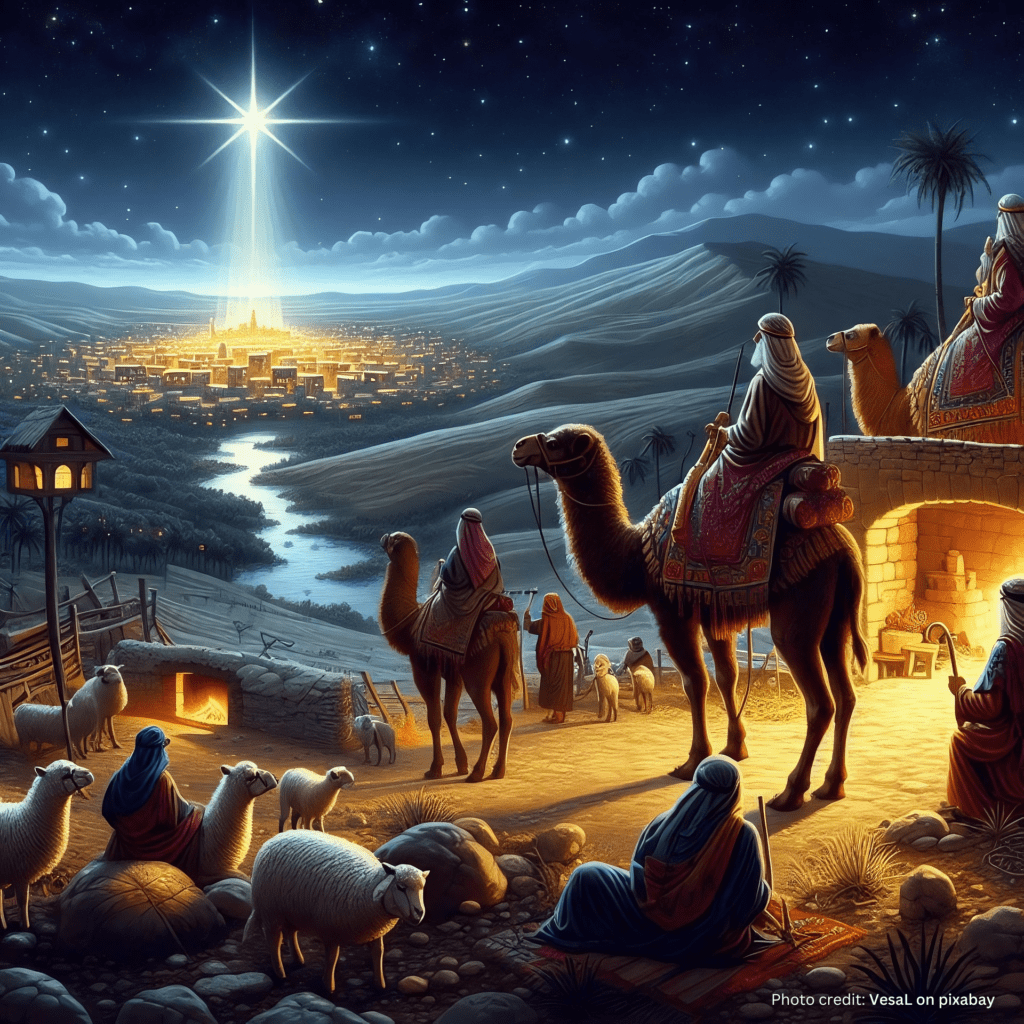
The good news is that God’s guidance doesn’t end when we make a wrong turn. The star reappeared after the Magi left Jerusalem and led them specifically to where Jesus was. When they saw it, “they were overjoyed.”
God didn’t abandon them because they messed up. He recalibrated. He redirected. He got them where they needed to be.
Learning to Navigate Better
The Magi’s story teaches us important lessons about spiritual discernment:
Question your assumptions. The Magi assumed a king would be found at a palace. But God’s kingdom consistently defies human assumptions. The Messiah was born in a feeding trough, not a palace. He rode a donkey, not a warhorse. He wore a crown of thorns, not gold. When your assumptions about how God should work clash with reality, it’s time to question your assumptions, not reality.
Beware of logic that ignores character. It was logical to go to Herod. But if the Magi had known his character, they would have known he was the last person to trust with information about a rival king. When making decisions, we need to consider not just what makes logical sense but what we know about the character and nature of the people and systems involved.
Stay open to mid-course corrections. The Magi could have been defensive when warned not to return to Herod. They could have thought, “We came all this way, we did all this research, surely we know what we’re doing.” Instead, they were humble enough to receive correction and change course. Pride makes us double down on mistakes. Humility lets us learn and adjust.
Don’t mistake human power structures for divine authority. The Magi went to Herod because he had the throne. But having power doesn’t mean having authority from God. Wearing a crown doesn’t mean you speak for God. Occupying a palace doesn’t mean you’re where God dwells. These are lessons the Church has had to learn repeatedly throughout history.
The Gifts That Funded the Escape
There’s a beautiful irony in how God used the Magi’s visit. Their mistake put Jesus in danger, but their gifts provided the means of escape.
Gold, frankincense, and myrrh weren’t just symbolic. They were expensive, portable, tradable commodities. A carpenter’s family would never have had the resources to flee to Egypt and live there as refugees for months or years. But suddenly, they did.
The very visit that triggered Herod’s murderous rage also provided the financial means to escape it.
This is how God works: He redeems. He doesn’t just clean up our messes; He uses them. He doesn’t just forgive our mistakes; He incorporates them into a larger story of grace.
For Those Living with Regret
If you’re reading this and you’re haunted by a mistake you made – a decision that seemed right at the time but turned out to be catastrophically wrong – the Magi’s story offers both comfort and challenge.
The comfort: Your mistake doesn’t have the final word. God is still at work. His purposes aren’t destroyed by your failure. He can redirect, redeem, and bring good from even your worst decisions.
The challenge: You can’t undo the past, but you can choose how you respond moving forward. When the Magi received new instructions, they followed them. They didn’t return to Herod. They didn’t try to fix their mistake by going back and explaining themselves. They simply obeyed the new direction they were given.
Sometimes the most faithful response to a mistake isn’t trying to undo it, which is often impossible, but listening for God’s next instruction and following it.
The Wonder of Grace
Perhaps the most amazing part of this story is that the Magi are honored in Scripture despite their terrible error.
They’re not condemned. They’re not erased from the narrative. They’re remembered as the ones who recognized Jesus when others didn’t, who worshiped when others rejected, who brought gifts when others brought threats.
Their mistake is recorded, yes. The consequences are not hidden. But neither is their redemption.
This is the gospel in miniature: Broken people following imperfect guidance, making catastrophic mistakes, yet still encountering grace. Still being used by God. Still having their worship accepted.
If God can use Magi who accidentally led a murderous king to Jesus, He can use you despite your failures. If God can receive worship from people who made such a grievous error, He can receive your worship too.
Your mistakes don’t define you. God’s grace does.
Following Stars in Our Own Time
We’re all Magi in our own way – following whatever light we have, trying to find and worship Jesus, making decisions based on the best information and judgment we possess.
And sometimes we’re going to take wrong turns. We’re going to head to the palace when we should have gone to the stable. We’re going to trust the wrong people with sensitive information. We’re going to make reasonable decisions that turn out to be mistakes.
But the story of the Magi reminds us: Wrong turns aren’t the end of the journey. God can redirect us. He can use even our errors to accomplish purposes we can’t see. He can provide resources through the very situations that seem most dangerous. And He can receive our worship even when we’ve made terrible mistakes along the way.
So keep following the light you have. Stay humble enough to receive correction. Be willing to take a different route when God redirects you. And trust that the God who protected Jesus from the consequences of the Magi’s mistake is the same God who can work through and around your mistakes too.
The wise men weren’t wise because they never made mistakes. They were wise because when they did make a mistake, they were humble enough to listen for new directions and obedient enough to follow them.
That’s the wisdom God honors – not perfection, but teachability. Not flawless navigation, but faithful following even after wrong turns.
The star still leads. And grace is still available for those who lose their way.
What mistake in your past still haunts you? How might God be inviting you not to undo what can’t be undone, but to listen for His next instruction and follow it?
a
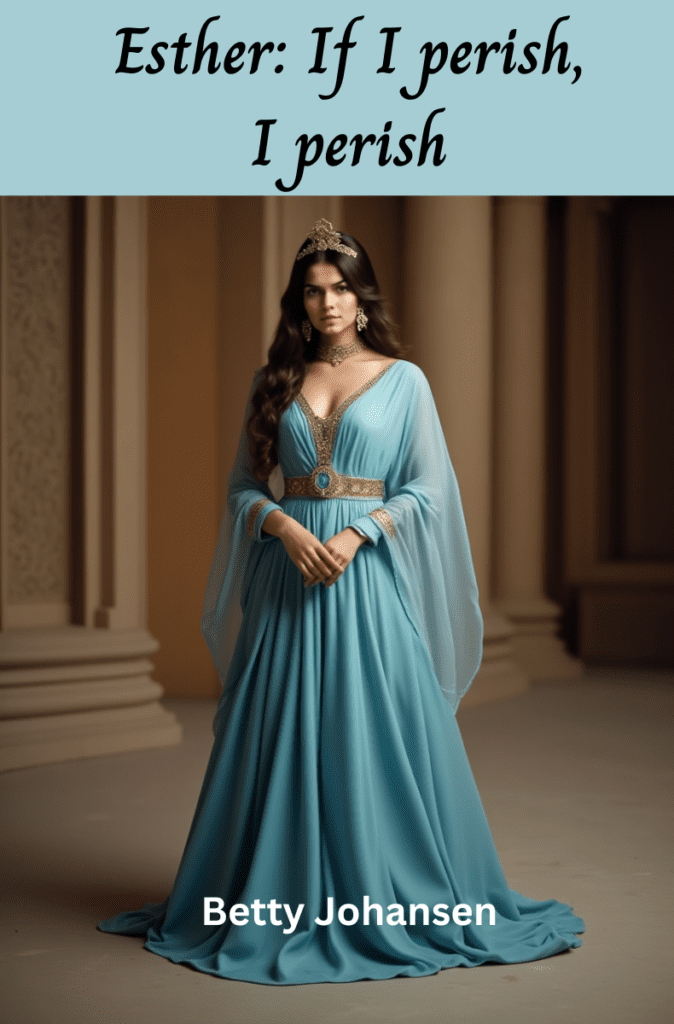
Esther, the Jewish queen of a Persian king, tells her own story in Esther: If I Perish, I Perish, available as an ebook and as an audiobook.
a
a
a
Here are links to my blog indexes, so please click one and keep reading!
My Books, Workbooks, and Fun Books
Knowing the Unknowable One
Opening the Treasure Chest
Walking Heart-to-Heart with God
Walking Heart-to-Heart with Each Other
Fighting the Good Fight of Faith
Christian Mysteries: Why I Love Them!
List of Some Nonfiction Books You Don’t Want to Miss
Index of Assorted Topics