

Phytoestrogens at a Glance
- Phytoestrogens are plant-based compounds that mimic estrogen in the body, binding to estrogen receptors and helping to ease the hormonal drop that drives menopause symptoms.
- Research shows they may reduce hot flashes, improve bone density, support sleep, and even protect cognitive function — though effectiveness varies by person and gut microbiome.
- Women in countries like Japan, where phytoestrogen-rich diets are the norm, report significantly fewer and less severe menopause symptoms — and the science is starting to explain why.
- Not all phytoestrogens are equal — the type you consume, how much, and how well your body processes them determines whether you’ll actually feel a difference.
- Health & Her offers phytoestrogen supplements specifically formulated for perimenopause and menopause, developed with input from qualified nutritionists.
Phytoestrogens won’t replace your hormones — but for millions of women, they’re quietly changing the menopause experience in ways that matter.
Whether you’re dealing with relentless hot flashes, broken sleep, or a mood that’s hard to explain, estrogen decline is almost always at the root of it. Phytoestrogens, which are naturally occurring plant compounds that behave like a weaker form of estrogen in the body, have attracted serious scientific attention as a natural way to bridge that hormonal gap. Health & Her has been at the forefront of helping women understand and access these compounds as part of a broader strategy for managing menopause naturally.
Phytoestrogens Work — Here’s What the Research Actually Shows
The research on phytoestrogens is promising, though not perfectly consistent. A 2020 research review published in a peer-reviewed journal confirmed that whether phytoestrogens are beneficial depends on the individual — specifically their hormone levels, how much they consume, and crucially, how efficiently their body absorbs and metabolizes these compounds. That last part, as you’ll see, comes down to your gut.
What the data does consistently show is that phytoestrogens have measurable effects on estrogen-sensitive tissues in the body. They’re not a placebo. A systematic review of 23 randomized controlled trials concluded that phytoestrogens likely have beneficial effects on bone health in menopausal women. A separate meta-analysis showed positive outcomes with soy isoflavones specifically. The picture isn’t complete yet, but the direction is clear enough to take seriously.
What Phytoestrogens Actually Are
Phytoestrogens are naturally occurring compounds found in over 300 plants. They belong to a group of substances called polyphenolic compounds, and their chemical structure is close enough to human estrogen that the body’s estrogen receptors recognize and respond to them — just not as strongly as they do to the real thing.
How They Mimic Estrogen in the Body
When phytoestrogens enter the body, estrogen receptors attach to them similarly to how they’d bind to endogenous estrogen, though with less intensity. This partial binding is actually what makes them so interesting during menopause. When estrogen levels drop, phytoestrogens can partially fill those receptor sites, softening the effects of estrogen withdrawal. And because the binding is weaker, they’re also thought to have a regulatory effect — potentially blocking stronger estrogens, including xenoestrogens (synthetic estrogens found in plastics, pesticides, and certain skincare products), when estrogen levels are too high.
The Three Main Types of Phytoestrogens
There are three primary categories worth knowing:
- Isoflavones — Found in soy, red clover, and chickpeas. These are the most studied and include genistein, daidzein, and formononetin.
- Lignans — Found in flaxseeds, sesame seeds, and whole grains. These are the most common phytoestrogens in Western diets.
- Coumestans — Found in sprouted legumes and alfalfa, though present in smaller quantities and less researched.
Why Your Gut Bacteria Affects How Well They Work
Here’s something most articles skip over: the variation in how well phytoestrogens work from woman to woman is significantly influenced by the gut microbiome. Your intestinal bacteria are responsible for metabolizing phytoestrogens into their active therapeutic forms. For example, daidzein (an isoflavone in soy) is converted by specific gut bacteria into equol — a compound with much stronger estrogenic activity. Not every woman produces equol, and those who don’t may experience fewer benefits from soy-based phytoestrogens. This is a key reason why research results vary so much across individuals.
Why Estrogen Balance Matters So Much During Menopause
Estrogen isn’t just a reproductive hormone. It plays a role in bone maintenance, cardiovascular health, brain function, mood regulation, skin integrity, and sleep. When production drops during perimenopause and menopause, the effects ripple through nearly every system in the body.
The Symptoms Caused by Low Estrogen
The list of symptoms tied to estrogen decline is long, and for many women, several show up at once:
- Hot flashes and night sweats
- Sleep disturbances and insomnia
- Mood changes, anxiety, and depression
- Vaginal dryness and reduced libido
- Accelerated bone loss leading to osteoporosis
- Memory lapses and difficulty concentrating
- Increased facial hair (due to the relative rise in androgens)
- Joint pain and fatigue
For women who either can’t or choose not to use hormone replacement therapy (HRT), finding ways to partially compensate for this estrogen drop is critically important — both for quality of life and long-term health.
The Risks of Excess Estrogen
Estrogen balance works both ways. While low estrogen drives menopause symptoms, excess estrogen — particularly from xenoestrogens in the environment — carries its own risks, including associations with certain hormone-sensitive conditions. Phytoestrogens are again relevant here: their weaker binding affinity means they can actually compete with and displace stronger estrogens at receptor sites, potentially acting as a natural buffer. This dual regulatory mechanism is one of the reasons researchers find them so biologically interesting.
Top Phytoestrogen Benefits During Menopause
The benefits don’t stop at hot flash relief. Research across multiple symptom areas has shown phytoestrogens have a meaningful role to play throughout the menopause transition — from the first signs of perimenopause through postmenopause.
Let’s break down exactly what the evidence shows across each key area.
1. Reduced Hot Flashes and Night Sweats
Hot flashes are the most commonly reported menopause symptom, and they’re also the area where phytoestrogen research is most consistent. Isoflavones — particularly those from soy and red clover — have shown the strongest evidence for reducing both the frequency and severity of vasomotor symptoms. In countries like Japan, where soy isoflavone consumption is significantly higher than in Western nations, women report far fewer hot flashes, and this population-level difference has driven decades of clinical investigation.
Fermented soy products and red clover isoflavones are particularly well-studied in this area. Consuming phytoestrogens through these sources may help women achieve a healthier estrogen balance, partially compensating for the drop in endogenous estrogen that triggers vasomotor episodes. Results aren’t instant — most studies showing meaningful reduction in hot flash frequency ran for at least 12 weeks.
2. Better Sleep Quality

Poor sleep during menopause is rarely just about night sweats. Estrogen decline directly affects the sleep-regulating systems in the brain, making deep, restorative sleep harder to achieve even on cool nights. Phytoestrogens’ partial estrogenic activity may help stabilize these systems. Some women report that consistent dietary intake of isoflavone-rich foods leads to measurable improvements in sleep onset and duration — though this benefit often comes as part of an overall reduction in menopause symptom burden rather than in isolation.
3. Improved Bone Density
This is one of the most clinically significant benefits on the list. Estrogen plays a direct role in maintaining bone density, and its decline during menopause accelerates bone loss, increasing the risk of osteoporosis. A systematic review of 23 randomized controlled trials concluded that phytoestrogens likely have beneficial effects on bone health in menopausal women. Soy isoflavones, in particular, have been studied for their ability to slow the rate of bone resorption.
- Phytoestrogens may reduce bone resorption markers in postmenopausal women
- Soy isoflavones have shown statistically significant improvements in lumbar spine bone density in some trials
- Red clover isoflavones have also shown bone-protective effects in clinical studies
- Benefits appear strongest in women who are equol producers — those whose gut bacteria can convert daidzein into its more potent form
The bone-protective effect of phytoestrogens is not a replacement for medical intervention in women who already have osteoporosis, but as a preventative dietary strategy during the perimenopause transition, the evidence is genuinely compelling. Starting earlier — when bone loss is just beginning — is where the impact is greatest.
4. Reduced Depression Symptoms
The connection between estrogen and mood is well-established. Estrogen modulates serotonin and dopamine activity, and when levels fall, many women experience mood instability, anxiety, and clinical depression for the first time in their lives. Phytoestrogens, by partially activating estrogen receptors in the brain, may help soften this effect.
- Some clinical studies have found improvements in self-reported mood scores in women consuming soy isoflavones regularly
- Red clover isoflavones have shown a reduction in anxiety and depressive symptoms in perimenopause trials
- The effect appears most pronounced in women in early menopause, where estrogen fluctuations are most dramatic
It’s worth being clear: phytoestrogens are not a treatment for clinical depression, and any woman experiencing significant mood disruption should speak with a qualified medical professional. But as part of a broader nutritional approach to menopause, supporting estrogen receptor activity through dietary phytoestrogens may meaningfully contribute to emotional resilience during this transition.
5. Improved Sexual Function
Vaginal dryness, reduced libido, and discomfort during sex are among the most underreported menopause symptoms — and among the most impactful on quality of life. These symptoms are directly linked to declining estrogen, which maintains the health and lubrication of vaginal tissue. Phytoestrogens, particularly topical applications of isoflavones, have shown improvements in vaginal tissue health in some studies, with oral supplementation also showing modest benefits for overall sexual well-being.
The research here is less extensive than in areas like hot flashes or bone density, but the biological mechanism is sound. Estrogen receptors are abundant in vaginal tissue, and even the weaker estrogenic effect of phytoestrogens may be enough to provide meaningful relief, particularly in women in early postmenopause.
6. Stronger Cognitive Function and Memory
Brain fog, memory lapses, and difficulty concentrating are among the most disorienting menopause symptoms — and also among the least discussed. Estrogen has a direct neuroprotective role, supporting neurotransmitter function and cerebral blood flow. Early research into phytoestrogens and cognitive health is cautiously positive, with some studies showing that women with higher isoflavone intake perform better on verbal memory tasks. The timing of intervention appears to matter here — benefits seem most significant when phytoestrogen consumption begins during perimenopause rather than well after menopause has established itself.
7. Reduced Facial Hair Growth
This one surprises many women, but it has a clear hormonal explanation. As estrogen levels decline during menopause, the relative proportion of androgens (male hormones such as testosterone) increases. This androgenic shift can trigger unwanted facial hair growth — a condition called hirsutism — as well as thinning scalp hair.
Because phytoestrogens can partially restore estrogenic activity, they may help rebalance this estrogen-to-androgen ratio, reducing the androgenic effects that drive facial hair growth. The evidence specifically on hirsutism and phytoestrogens is still emerging, but the hormonal logic is consistent with what we know about how these compounds interact with sex hormone receptors.
This is one of those areas where dietary consistency matters most. Women who maintain a regular, phytoestrogen-rich diet over several months are more likely to see shifts in androgen-related symptoms than those who take a sporadic supplementation approach.
What the Science Says About Phytoestrogen Effectiveness
The scientific picture on phytoestrogens is best described as promising and directionally consistent, even where individual study results vary. The inconsistency that appears across trials is largely explained by three factors: differences in the type and dose of phytoestrogen used, differences in the duration of the study, and — critically — differences in gut microbiome composition among participants. When researchers control for these variables, the results tighten considerably.
One important note: most research has focused on isoflavones from soy and red clover, so the evidence base for these two sources is considerably stronger than for lignans or coumestans. If you’re evaluating phytoestrogens as a menopause strategy, isoflavone-focused approaches are currently the most evidence-backed.
Evidence From Countries With Phytoestrogen-Rich Diets
Japan offers the most frequently cited population-level evidence. Japanese women, whose traditional diets include significant amounts of fermented soy products like miso, tempeh, and natto, have historically reported lower rates of severe menopause symptoms compared to women in Western countries. Hot flashes, in particular, appear to be far less prevalent — a difference that researchers have consistently linked, at least in part, to dietary phytoestrogen intake.
It’s important to acknowledge that diet is never the only variable. Lifestyle, body weight, stress, and cultural factors all play roles. But the pattern across multiple phytoestrogen-rich populations is consistent enough that it has anchored and guided clinical research for decades. The Japanese data didn’t prove the case alone — but it pointed researchers in the right direction.
Key Clinical Studies and Their Findings
The 2020 research review published via the National Institutes of Health confirmed that phytoestrogen benefits are real but individualized — dependent on hormone levels, dosage, and metabolic factors, including gut bacteria. A systematic review of 23 randomized controlled trials specifically concluded that phytoestrogens have beneficial effects on bone health in menopausal women. A separate meta-analysis demonstrated positive effects of soy isoflavone supplementation on vasomotor symptoms, with reductions in hot flash frequency reported across multiple trials.
Red clover isoflavones have their own body of evidence, showing particular promise for reducing hot flashes and improving cardiovascular markers. Formononetin and biochanin A — two isoflavones specific to red clover — are converted in the body to daidzein and genistein, the same active compounds found in soy. This means red clover can deliver similar therapeutic isoflavones through a different dietary vehicle, which matters for women who avoid soy for dietary or personal reasons.
How to Get More Phytoestrogens Into Your Diet
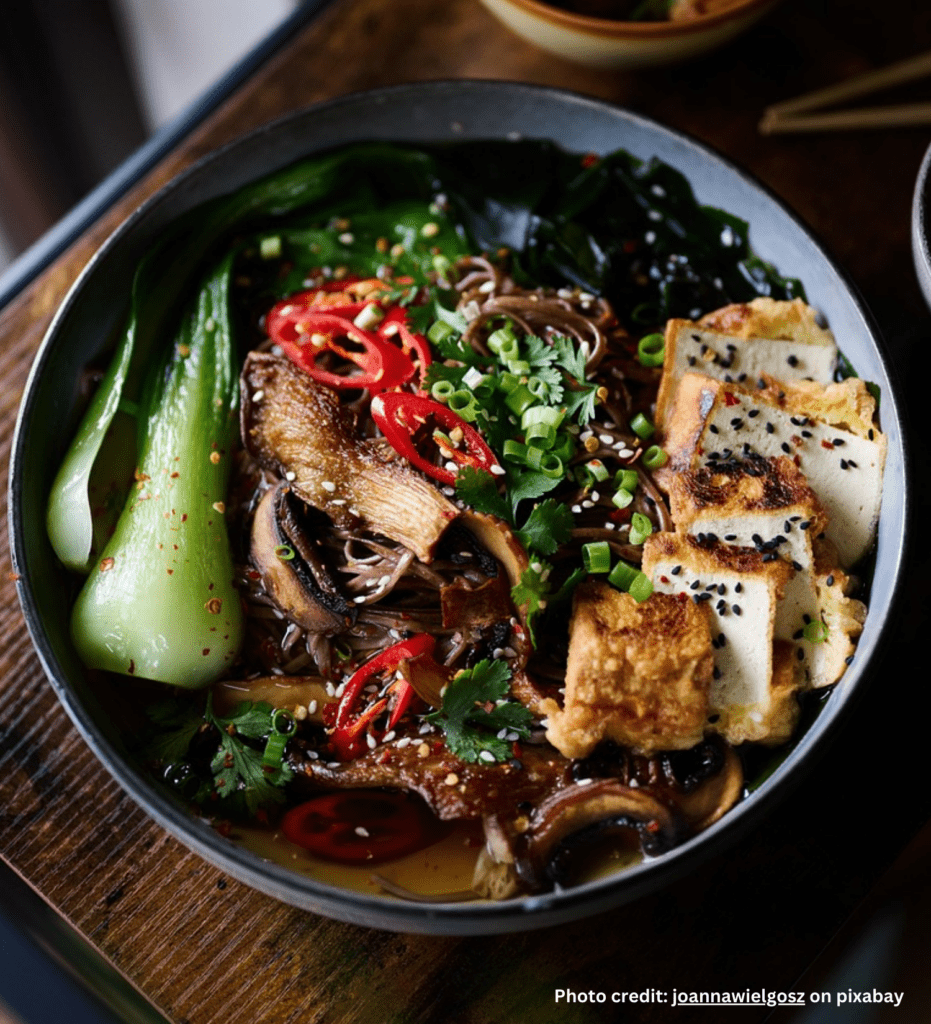
Getting phytoestrogens from food is always the preferred starting point. Whole food sources come packaged with fiber, vitamins, and other plant compounds that work synergistically — and they’re far easier for your body to regulate than concentrated supplements. Consistency matters more than quantity here. A daily diet that includes a variety of phytoestrogen-rich foods will serve you better than occasional high doses.
Top Food Sources by Phytoestrogen Type
| Phytoestrogen Type | Top Food Sources | Notes |
|---|---|---|
| Isoflavones | Edamame, tofu, tempeh, miso, soy milk, red clover | Fermented soy (tempeh, miso) may be more bioavailable |
| Lignans | Flaxseeds, sesame seeds, whole grain rye, oats, berries | Ground flaxseeds are more easily absorbed than whole |
| Coumestans | Sprouted alfalfa, mung bean sprouts, split peas | Least studied; present in smaller amounts |
Fermented soy products deserve a special mention. Fermentation increases the bioavailability of isoflavones by breaking down the compounds into forms the gut can absorb more readily. Women who struggle to produce equol naturally — which, as discussed, is a significant portion of the population — may find that fermented soy products deliver more consistent benefits compared to non-fermented options like regular soy milk or raw edamame. Ground flaxseeds are one of the simplest daily additions: two tablespoons stirred into yogurt or oatmeal provides a meaningful dose of lignans with virtually no effort.
When Supplements Make Sense
Supplements are worth considering when dietary sources alone aren’t delivering enough, when food sensitivities or preferences limit your options, or when symptoms are moderate to severe enough to warrant a more targeted approach. Red clover isoflavone supplements and soy isoflavone extracts are the most clinically validated options. When choosing a supplement, look for standardized extracts that clearly state the isoflavone content per dose — and always discuss with a qualified healthcare provider before starting, particularly if you’re on medications or have a history of hormone-sensitive conditions.
Phytoestrogens Are Promising, But Not a Replacement for Medical Care
Phytoestrogens are a genuinely useful tool, and for many women, dietary and supplemental phytoestrogens make a real, noticeable difference. But they are one layer of a broader strategy — not a standalone solution. If your symptoms are severe, significantly affecting your quality of life, or accompanied by other health concerns, a qualified medical professional should be your first call. Phytoestrogens work best as part of an informed, whole-body approach to menopause that may also include lifestyle adjustments, stress management, and in some cases, medical treatment.
Frequently Asked Questions
The following questions come up consistently among women exploring phytoestrogens for the first time. The answers below are grounded in current research, with honest acknowledgment of where more evidence is still needed.
Do Phytoestrogens Actually Help With Menopause Symptoms?
Yes — phytoestrogens do appear to help with menopause symptoms, particularly hot flashes, bone loss, and mood disturbances, though the degree of benefit varies by individual. The 2020 research review confirmed that effectiveness depends on hormone levels, dosage, and gut microbiome composition. Women who are equol producers tend to experience the strongest benefits from soy-based isoflavones. That said, many women report meaningful symptom improvement even without confirmed equol-producer status, particularly when using red clover isoflavones or a diverse range of dietary phytoestrogen sources.
How Long Does It Take for Phytoestrogens to Work?
Most clinical trials showing significant results ran for a minimum of 12 weeks, and in some cases up to six months. This isn’t a supplement category where you’ll feel a dramatic change overnight. The mechanism is gradual — partial receptor binding, slow hormonal modulation, and incremental shifts in symptom frequency and severity.
The most common pattern reported by women who see results is a progressive reduction in hot flash frequency over the first 8 to 12 weeks, followed by broader improvements in sleep and mood as hormone balance stabilizes. Starting with a consistent dietary approach — rather than cycling supplements on and off — gives your body the best chance to respond.
If you’ve been consistent with a phytoestrogen-rich diet or a quality supplement for three months and haven’t noticed any change, it’s worth discussing with a nutritionist or GP. Some women’s gut bacteria simply don’t metabolize certain phytoestrogens effectively, and a different source or form may produce better results.
Are Phytoestrogens Safe for Women With a History of Breast Cancer?
This is one of the most important questions in the phytoestrogen conversation, and the honest answer is: it’s complicated and highly individual. Because breast cancer can be estrogen-receptor positive, there has historically been concern about whether phytoestrogens — which bind to estrogen receptors — could stimulate cancer cell growth. Current research has not confirmed this risk from dietary sources, and some studies have actually suggested protective effects. However, this is absolutely an area where no general recommendation is appropriate. Any woman with a personal or family history of hormone-sensitive cancers must discuss phytoestrogen use with her oncologist before making any changes.
What Is the Best Source of Phytoestrogens for Menopause?
For most women, fermented soy products and red clover isoflavones represent the strongest evidence-backed sources. Tempeh, miso, and natto offer isoflavones in a highly bioavailable fermented form. Red clover supplements are a strong option for women who avoid soy, as they deliver formononetin and biochanin A, which convert to the same active isoflavones found in soy. Ground flaxseeds are the top lignan source and can be easily integrated into everyday meals.
If you’re considering supplements, look for red clover isoflavone or soy isoflavone products with standardized, clearly labeled dosages. Products developed with input from qualified nutritionists — such as those from Health & Her — offer additional assurance that formulations are appropriate for the specific demands of perimenopause and menopause.
Can You Take Too Many Phytoestrogens?
From dietary sources alone, consuming a harmful amount of phytoestrogens is unlikely for most women. The concentrations found in food, even in soy-heavy diets, fall within ranges that the body handles well. Supplements are a different story — concentrated extracts taken in high doses over long periods, particularly without medical supervision, carry more potential for disruption.
The most commonly cited concern with very high supplemental doses is potential interference with thyroid function, particularly in women with existing thyroid conditions. High doses may also interact with certain medications, including blood thinners and hormone therapies. This is why the guidance to consult a doctor before supplementing isn’t just a legal disclaimer — it’s genuinely important, especially for women managing other health conditions.
The takeaway is proportionate: eat a varied, phytoestrogen-rich diet freely, approach supplementation with informed care, and treat any significant changes to your hormone-related health as a conversation to have with a qualified professional. Phytoestrogens, used thoughtfully, are one of the most accessible and evidence-supported natural tools available to women navigating menopause.
***
Here are links to my blog indexes, so please click one and keep reading!
My Books, Workbooks, and Fun Books
Knowing the Unknowable One
Opening the Treasure Chest
Walking Heart-to-Heart with God
Walking Heart-to-Heart with Each Other
Fighting the Good Fight of Faith
Christian Mysteries: Why I Love Them!
List of Some Nonfiction Books You Don’t Want to Miss
Index of Assorted Topics
I do agree with all the ideas you have introduced on your post.
They’re very convincing and can certainly work. Still, the
posts are very quick for beginners. Could you please lengthen them a little from
subsequent time? Thank you for the post.
Thank you so much for your comment. I’ll try to do better. Hopefully, you followed the link in the blog, which provides more information. And the link to my book is at the end of the blog – it covers a variety of related topics.