

Key Takeaways
- Starting scripture reading early creates a foundation of biblical literacy that can last a lifetime, with research showing children who engage with the Bible regularly have stronger faith foundations as adults.
- Creating consistent, short reading sessions (10-15 minutes) that fit naturally into family routines makes Bible reading a sustainable habit.
- Age-appropriate Bibles and multi-sensory engagement methods help children connect with scripture in ways that match their developmental stage.
- Your modeling of personal scripture reading and authentic love for God’s Word speaks more powerfully than any formal teaching method.
- Focus on the Family offers resources to help parents confidently guide their children through scripture, making Bible reading accessible and enjoyable for the whole family.
The Bible isn’t just another book on your shelf—it’s the living Word of God that can transform your child’s heart and mind. Yet many Christian parents feel uncertain about how to effectively share scripture with their little ones. You’re not alone if you’ve wondered when to start, what passages are appropriate, or how to keep squirmy toddlers engaged during Bible time.
As a parent, you have the incredible privilege of being your child’s first Bible teacher. God has specifically entrusted you—not just Sunday school teachers or pastors—with the primary responsibility of nurturing your child’s spiritual growth through His Word. Focus on the Family reports seeing countless families transform their spiritual lives by intentionally centering their homes around scripture reading, starting from the earliest years.
Why Your Child’s Relationship With the Bible Matters
Children who develop a love for scripture early in life gain an invaluable compass for navigating life’s challenges. The apostle Paul reminds us in 2 Timothy 3:16 that “all Scripture is God-breathed and is useful for teaching, rebuking, correcting and training in righteousness.” When children learn to turn to God’s Word for guidance, comfort, and wisdom from their earliest years, they’re developing habits that can sustain their faith through every season of life.
Think of scripture reading as planting seeds in fertile soil. The stories, principles, and truths they absorb now—even before they fully comprehend them—take root in their hearts and minds. These seeds will continue growing throughout their lives, producing fruit in God’s perfect timing.
The Lifelong Impact of Early Scripture Exposure
Research consistently shows that children who regularly engage with scripture from an early age are more likely to develop a personal faith that extends into adulthood. They’re also better equipped to face challenges to their faith, having absorbed biblical truths as naturally as they learned language. When scripture becomes woven into the fabric of daily family life, children don’t just learn about God—they begin to know Him personally through His Word.
The patterns you establish now matter deeply. Children are forming impressions about what’s important based on what receives attention in your home. When they see scripture reading honored as a priority—not just another task on the to-do list—they absorb the message that God’s Word deserves special attention in their lives.
Many parents worry they don’t know enough about the Bible to teach their children effectively. The wonderful truth is that you don’t need a seminary degree to share God’s Word with your children. Your willingness to explore scripture together, even as you continue learning yourself, communicates volumes about the value of God’s Word.
- Children who read scripture regularly show greater resilience during difficult times
- Early Bible exposure creates natural opportunities for meaningful spiritual conversations
- Scripture reading as a family strengthens parent-child bonds through shared spiritual experiences
- Children learn to view the Bible as relevant to their daily lives, not just a historical text
- Biblical literacy provides children with a moral compass for navigating an increasingly complex world
Building Faith Foundations That Last

Scripture reading does more than impart information—it forms your child’s spiritual identity. When children hear stories of God’s faithfulness to Noah, Abraham, Joseph, and countless others, they begin to understand their own place in God’s continuing story. They discover they’re not alone in their struggles, questions, or joy.
One mother shared how her five-year-old daughter found comfort during a thunderstorm by remembering Jesus calming the storm on the Sea of Galilee. This wasn’t just head knowledge—it was truth that had traveled the critical 18 inches from her head to her heart. This is the transformative power of scripture taking root in young lives.
Make Scripture Reading Fun and Accessible
Children experience God’s Word differently than adults. While we might sit quietly with a cup of coffee and our study Bible, children need approaches that match their developmental stage and natural energy. The goal isn’t perfect behavior during Bible time but nurturing genuine connection with God’s Word in ways that spark curiosity and joy.
Early Elementary (6-8 Years)
Early elementary years mark an exciting transition as children develop independent reading skills. This is the perfect time to introduce a child-friendly Bible they can begin exploring on their own. The NIrV (New International Reader’s Version) or the International Children’s Bible offer simplified language without sacrificing accuracy, making them excellent choices for emerging readers. Children at this age are naturally curious and love to ask “why” questions, so embrace these moments as opportunities for deeper spiritual conversations.
Sword drills become a fun way for children to practice navigating their Bibles while learning the order of books. Simply call out a verse reference and challenge your child to find it first. These playful competitions build confidence and familiarity with scripture. Teaching them to use the maps and other Bible helps also reinforces that the Bible describes real historical events and places, building their trust in scripture’s reliability.
Older Children (9-12 Years)
Preteens are ready for deeper engagement with scripture as their abstract thinking abilities develop. Many can handle more complex translations like the NIV or ESV with some guidance. This is an ideal time to introduce Bible study methods, teaching them to ask questions of the text: Who wrote this? Who was it written to? What was happening at this time? What does this teach me about God or myself?
Children this age benefit from having their own study Bible with age-appropriate notes and cross-references. Encourage them to begin independent devotional reading, perhaps starting with Proverbs (which has 31 chapters—perfect for reading one each day of the month) or the Gospels to deepen their understanding of Jesus. Respect their growing independence while maintaining regular family Bible time, where deeper questions can be discussed together.
Preteens often begin questioning faith foundations as they encounter different worldviews. Rather than shutting down these questions, welcome them as healthy exploration. Show them how to find answers in scripture, modeling that the Bible can withstand scrutiny and honest questions. This approach builds resilience in their faith far better than simply providing pat answers to complex questions.
Preteen Bible Reading Challenge
Create a 30-day reading plan focusing on a specific theme (like “Heroes of Faith” or “Jesus’ Teachings”). Have your child read the passage independently, then discuss together using these prompts:
- What surprised you about today’s reading?
- What does this passage tell us about God’s character?
- How might this truth apply to your life this week?
Track progress on a special chart and celebrate completion with a special outing or gift.
Beyond Reading: Multi-Sensory Scripture Activities
Children learn through all their senses, not just by hearing words read aloud. Incorporating multi-sensory activities into your Bible exploration creates deeper connections and more memorable experiences with scripture. These approaches acknowledge that God created children with diverse learning styles—visual, auditory, kinesthetic, and tactile—and honor these differences in how we present His Word.
Scripture Songs and Memory Verses
Music has remarkable power to embed scripture in young hearts. Children can memorize complex passages with ease when set to simple melodies. Artists like Seeds Family Worship, Scripture Lullabies, and Slugs & Bugs create engaging, high-quality music that puts Bible verses to memorable tunes without sacrificing theological accuracy. Even years later, many children (now adults) can recall entire passages learned through songs in their childhood.
Memory verses become more accessible when paired with hand motions or simple actions that reinforce the meaning. For Psalm 119:105 (“Your word is a lamp to my feet and a light to my path”), children might hold an imaginary lamp and walk carefully along an imaginary path. These physical connections help cement the words in both body and mind, making recall more automatic.
Weekly Verse Memory System
Choose one verse per week that connects to your child’s current experiences or challenges. Follow this pattern:
- Monday: Introduce the verse with a simple explanation of what it means
- Tuesday: Create hand motions together that represent key concepts
- Wednesday: Write the verse in creative ways (different colors, styles)
- Thursday: Practice saying it in funny voices or while doing activities
- Friday: Discuss real-life applications for the verse
- Weekend: Review and celebrate what was learned

The process of memorization is as valuable as the result. When children work to commit scripture to memory, they naturally engage with its meaning more deeply. They ask questions about words they don’t understand and make connections between different parts of the verse. This mental wrestling with the text plants it more firmly in their hearts.
Consider creating a family memory verse jar with scripture written on colorful slips of paper. During meals or car rides, pull out a verse to practice together. This casual approach removes pressure while still prioritizing scripture memorization as a natural part of family life.
Bible Story Dramatization
Children connect powerfully with Bible stories when they can physically act them out. Simple props like bathrobes, sheets, and household items transform your living room into ancient Israel, allowing children to experience scripture with their whole bodies. The process of deciding who plays which character, what they might say, and how they would feel creates deeper engagement with the narrative than passive listening alone.
Bible Drama Box Ideas
Create a special box containing:
- Colorful fabric pieces for simple costumes
- Cardboard crowns, walking sticks, and other basic props
- Picture cards of major Bible characters
- Simplified script cards for popular Bible stories
- Small stuffed animals for creation and ark stories
Keep this accessible for spontaneous Bible story play, which reinforces stories in a child-directed way.
Recording these dramatizations creates lasting memories and provides opportunities to rewatch and discuss the stories more deeply. Many children who might fidget during traditional Bible reading become fully engaged when asked to play David facing Goliath or Mary receiving news from the angel Gabriel. The emotional connection formed through embodying these characters creates lasting impressions.
For children who feel shy about acting, puppet shows or using action figures to tell Bible stories can be less intimidating alternatives. The goal is engagement with the narrative, not performance quality. Celebrate their creativity rather than focusing on accuracy of every detail.
These dramatic retellings often lead to profound theological discussions as children naturally ask questions from inside the story: “Why was Noah the only one God saved?” or “How did Jesus feel when his friends fell asleep instead of praying?” These questions open doors to deeper spiritual conversations that might not emerge from simply reading the text.
Scripture Art and Crafts
- Bible verse coloring pages that allow children to meditate on scripture while creating
- Prayer journals decorated with favorite verses and space to record God’s faithfulness
- Illustrated verse cards to display around the home or share with others
- Diorama scenes of favorite Bible stories using shoebox stages
- Clay or playdough sculptures representing Bible characters or concepts
Creating visual representations of scripture engages different parts of the brain, reinforcing the message in multiple ways. When a child illustrates the parable of the lost sheep, they’re processing the depth of God’s searching love for each person. These artistic expressions often reveal how children are interpreting scripture, giving parents valuable insights into their spiritual understanding.
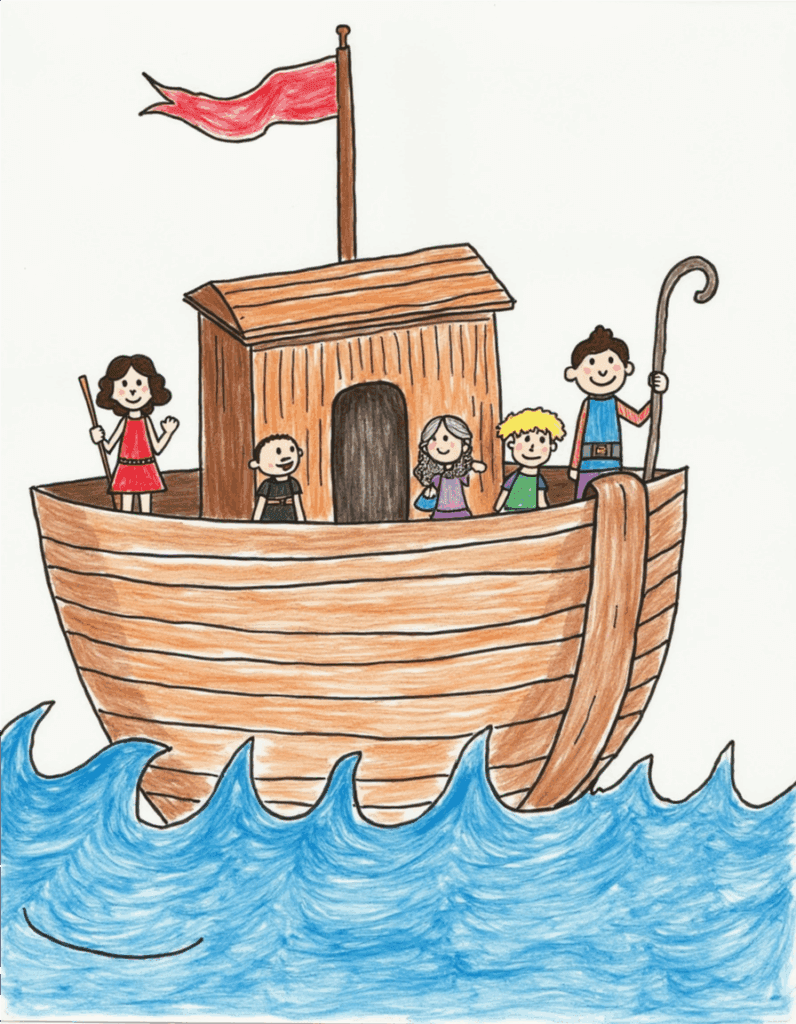
Don’t rush through creative scripture activities. The process of creating while discussing the meaning creates space for questions and observations that might not emerge during more structured teaching times. Some of the most profound spiritual conversations happen while little hands are busy with markers or clay.
Consider displaying your children’s scripture artwork prominently in your home. This communicates that their spiritual expressions are valued and creates visual reminders of Bible truths throughout your living spaces. A simple clothesline with clips in a hallway or kitchen makes rotating these displays easy and keeps God’s Word visibly present in your home.
Digital Resources That Enhance Bible Engagement
Today’s children are digital natives, and technology offers powerful tools to supplement (not replace) traditional Bible engagement. Quality digital resources can make scripture more accessible and interactive while maintaining its sacred nature. When thoughtfully integrated, these tools can bridge the gap between ancient text and modern childhood experiences.
Quality Bible Apps for Children
Bible apps designed specifically for children combine engaging visuals with sound theology. Apps like YouVersion’s Bible App for Kids, Superbook Kids Bible, and Guardians of Ancora transform Bible stories into interactive adventures that capture children’s attention while maintaining biblical accuracy. These apps often include read-aloud features, simple games that reinforce the message, and parent discussion guides to continue the conversation beyond screen time.

When selecting Bible apps, prioritize theological soundness over flashy features. The best children’s Bible apps maintain the integrity of scripture while presenting it in age-appropriate ways. Look for apps that clearly distinguish between the biblical text and added creative elements, and avoid those that distort scripture to fit a particular agenda or overly sanitize difficult passages.
Set healthy boundaries around digital Bible engagement. While these tools are valuable, they should complement rather than replace physical Bibles and face-to-face discussion. Create clear guidelines about when and how digital Bible resources are used, ensuring they enhance rather than diminish your family’s connection with God’s Word.
Audio Bibles and Podcasts
Audio Bibles open scripture to children regardless of reading ability. Many children who struggle to focus while reading can engage deeply when listening to skilled narrators bring the text to life. Products like The Bible Experience and The Word of Promise feature professional voice actors and sound effects that transform scripture into an immersive experience. For younger children, resources like the Jesus Storybook Bible audiobook provide theologically rich retellings read by engaging narrators.
Family-friendly Bible podcasts offer another way to incorporate scripture into daily routines. Shows like “Keys for Kids,” “Risen Motherhood,” or “Five Minute Bible Study for Kids” provide bite-sized biblical content perfect for car rides, bedtime routines, or meal prep times. These audio resources make scripture accessible during transition times when reading might not be practical.
Consider placing a small, dedicated audio player loaded with Bible content in your child’s room. Many parents report their children choose to listen to Bible stories during quiet time or before bed when given access to high-quality audio options. This independent engagement often leads to thoughtful questions and conversations initiated by the child rather than the parent. For more ideas on how to engage children with scripture, you can explore 22 ideas to help your children study and love the Bible.
Balancing Screen Time With Traditional Reading
Digital Bible resources work best as part of a balanced approach to scripture engagement. While apps and videos can captivate attention, the physical experience of handling a Bible, turning its pages, and seeing the continuity of God’s story remains irreplaceable. Children need to understand that the Bible app on your tablet contains the same sacred text as the leather-bound Bible on your shelf.
Create intentional transitions between digital and physical Bible engagement. After watching a Bible story animation, open your physical Bibles together to find the original text. Ask questions like, “What details did the app add that aren’t in the Bible?” or “What parts of the real Bible story weren’t included in the video?” These conversations help children become discerning consumers of biblical content across all formats.

Help Children Apply Scripture to Their Lives
Scripture reading bears its richest fruit when children connect biblical truth to their everyday experiences. Moving beyond facts and stories to personal application transforms Bible time from an academic exercise into life-changing spiritual formation. Children need help building these bridges between ancient text and modern childhood.
Look for natural connection points between scripture and your child’s daily life. When they face friendship challenges, explore Bible stories about relationships. When they experience fear, share passages about God’s protection and presence. These real-time applications demonstrate that the Bible speaks directly to their experiences, not just to abstract spiritual concepts.
Connecting Bible Stories to Daily Situations
Help children see themselves in the biblical narrative by drawing parallels between Bible characters and their own lives. Questions like “Have you ever felt afraid like David facing Goliath?” or “When have you made a mistake and needed forgiveness like Peter did?” create personal connections to scripture. Share age-appropriate examples from your own life where Bible verses have guided your decisions or comforted you in difficult times.
Create simple reference cards for common childhood situations with relevant scripture verses. Categories might include “When I’m Scared,” “When I Feel Alone,” “When Someone Is Mean,” or “When I Need Courage.” Teaching children to turn to specific Bible passages in response to emotions and situations builds a lifelong habit of seeking God’s wisdom through His Word.
During family Bible reading, regularly pause to ask, “What does this tell us about how we should live today?” or “How might this change how we treat others this week?” These application questions transform Bible stories from distant history into living guidance. Follow up days later by asking if they remembered and applied the principles discussed.
Asking Open-Ended Questions
The questions you ask during Bible time significantly impact how deeply children engage with scripture. Closed questions with simple factual answers (“What was the giant’s name?”) have their place but rarely prompt deeper reflection. Open-ended questions invite children into the interpretive process and communicate that you value their thoughts about God’s Word.
Questions like “I wonder why God chose to save Noah’s family?” or “How do you think the blind man felt when Jesus healed him?” invite children to step into the story imaginatively. “What surprises you about this story?” and “What does this tell us about what God is like?” encourage children to move beyond surface details to deeper meaning. Even when children offer unexpected or theologically imprecise answers, affirm their engagement while gently guiding toward biblical understanding.
Modeling Your Own Scripture Reading

Children learn the value of scripture largely by watching you. When they see you regularly reading your Bible outside of family devotion time, they absorb the message that God’s Word is essential for adult faith, not just a childhood activity. Share age-appropriate insights from your personal Bible reading: “I read something in Psalms today that really encouraged me,” or “This verse helped me when I was worried about work today.”
Let children occasionally glimpse your authentic engagement with scripture—your questions, your struggles, and your moments of clarity. This honesty demonstrates that wrestling with God’s Word is normal and valuable. When appropriate, invite them into your process: “I’m trying to understand what this difficult passage means. What do you think about it?”
Your visible love for scripture speaks volumes. Children are remarkably perceptive about detecting whether Bible reading is an obligation or a delight for their parents. When they observe your genuine enthusiasm and the difference God’s Word makes in your life, they’re more likely to develop their own authentic relationship with scripture.
When Children Lose Interest in Scripture
Even in spiritually vibrant homes, children sometimes show resistance to Bible reading. This natural part of development doesn’t indicate spiritual failure but offers an opportunity to adjust your approach. How you respond to disinterest often determines whether it becomes a temporary phase or a lasting pattern.
Common Reasons for Disengagement
Developmental changes often affect children’s receptivity to scripture. What worked beautifully at age five may fall flat by age eight as cognitive abilities, attention span, and social awareness evolve. Material that’s too simplistic bores older children, while content beyond their comprehension level frustrates younger ones. Watch for signs that your child has outgrown your current approach, and be willing to adapt accordingly.
Sometimes disengagement stems from negative associations with Bible time. If scripture reading has become primarily a time of correction (“The Bible says you should obey your parents”) or has been wielded as punishment (“Since you misbehaved, you need to write this verse ten times”), children may develop resistance. Similarly, if Bible time consistently involves sitting still longer than developmentally appropriate, children may associate scripture with frustration rather than discovery. For more ideas on how to encourage a love for scripture, check out 22 ideas to help your children study and love the Bible.
External influences increasingly impact children’s attitude toward scripture as they grow. Peers who mock faith, media that contradicts biblical values, or exposure to superficial religious experiences can all diminish enthusiasm for God’s Word. These influences require thoughtful conversation rather than defensive reactions.
Gentle Reintroduction Strategies
If Bible time has become a battleground, consider pressing the reset button. Take a brief, intentional break from formal scripture reading to pray about your approach and consider fresh strategies. During this time, continue modeling your own love for God’s Word and look for natural opportunities to reference scripture in conversation without pressure.
Involve children in redesigning your family’s approach to Bible engagement. Questions like “What would make Bible time more interesting for you?” or “Would you prefer reading in the morning or evening?” give them appropriate ownership. Offering limited choices rather than open-ended options works well: “Should we try this children’s study Bible or listen to the audio version this week?” This collaborative approach respects their growing autonomy while maintaining the non-negotiable value of scripture in your family.
Consider switching formats temporarily if resistance persists. If reading has become difficult, try audio versions. If traditional devotionals aren’t connecting, explore Bible-based videos, apps, or graphic novel formats. Remember that the goal is developing a lifelong love for God’s Word, not checking off a particular method. Flexibility in approach while maintaining consistency in exposure allows children to reconnect with scripture in fresh ways.
Your Example Matters Most
No curriculum, method, or resource impacts children’s relationship with scripture more powerfully than watching their parents genuinely engage with God’s Word. When children see that the Bible is your source of comfort in difficulty, guidance in decisions, and joy in daily life, they internalize its value far more effectively than through any formal teaching. Your lived example—both your stated priorities and your observed behaviors—shapes their perception of scripture’s importance.
Remember that perfection isn’t the goal. Children benefit from seeing parents who are authentic about both their commitment to scripture and their struggles to maintain consistent practices. Simple acknowledgments like, “I’ve been so busy lately that I’ve neglected my Bible reading time, and I can tell the difference in my attitude,” model both honest self-reflection and the real value of God’s Word in your life. These authentic moments often impact children more deeply than polished family devotions.
Frequently Asked Questions
As you nurture your child’s relationship with scripture, questions naturally arise about best practices and approaches. While every family’s journey is unique, these common questions address concerns shared by many Christian parents seeking to raise biblically literate children.
Remember that grace abounds in this sacred work of introducing children to God’s Word. The goal isn’t perfect implementation of methods but faithful exposure to scripture in an atmosphere of love. Even seemingly small investments in Bible engagement plant seeds that God can nurture throughout your child’s lifetime.
How early should I start reading the Bible with my child?
It’s never too early to begin exposing children to scripture. Even infants benefit from hearing Bible stories read in soothing voices and simple scripture songs. While they won’t understand the content, they absorb the cadence of biblical language and associate scripture with comfort and security. The foundation of biblical literacy begins with these earliest positive associations with God’s Word.
For babies and toddlers, focus on brief, sensory-rich exposures rather than comprehension. Sturdy board books with simple Bible concepts, gentle scripture songs, and short prayers incorporating Bible verses create positive associations with God’s Word. These brief interactions matter more than you might think—they’re establishing that the Bible holds a special place in your family’s life.
What if my child asks difficult theological questions I can’t answer?
Difficult questions are signs of healthy engagement, not problems to avoid. When children ask challenging questions about scripture—why God allowed suffering, apparent contradictions, or complex theological concepts—celebrate their thoughtful interaction rather than shutting down conversation. It’s perfectly acceptable to say, “That’s a really good question. I’m not sure of the answer, but let’s explore it together.”
These moments provide opportunities to model intellectual humility and faithful questioning. Show children how to seek answers through trusted resources, pastoral guidance, and continued Bible study. When appropriate, share how Christians throughout history have wrestled with similar questions. This approach demonstrates that faith can coexist with honest questions and that spiritual growth often happens through wrestling with difficult concepts rather than avoiding them.
How can I help my child who struggles with reading engage with scripture?
Reading difficulties should never become barriers to Bible engagement. For children with dyslexia, ADHD, or other learning differences, audio Bibles, video resources, and dramatized readings offer accessible alternatives. Scripture set to music bypasses reading challenges entirely while embedding Bible verses in memory. Multi-sensory approaches—acting out Bible stories, creating scripture art, or using physical objects to represent biblical concepts—often connect powerfully with children who struggle with traditional reading methods.
Should I make daily Bible reading mandatory or optional?
This question requires balancing spiritual discipline with heart motivation. Most families benefit from establishing consistent Bible reading as a non-negotiable family practice, like meals or brushing teeth. However, the atmosphere of these times matters tremendously. Forced engagement with punitive enforcement creates resistance, while joyful, flexible consistency builds positive habits. Focus on making Bible time so engaging that children want to participate rather than emphasizing obligation, while maintaining the clear expectation that scripture holds a central place in your family’s routine.
How do I balance teaching scripture accurately while keeping it age-appropriate?
Scripture contains mature themes—violence, sexuality, complex moral dilemmas—that require thoughtful presentation to children. Rather than avoiding difficult passages entirely or sanitizing them beyond recognition, consider age-appropriate framing. For younger children, focus on the main narrative without graphic details. As children mature, gradually introduce more complex elements with appropriate context. The goal is truthfulness without traumatization, acknowledging the Bible’s difficult passages while emphasizing God’s redemptive purposes throughout scripture.
Remember that children are often ready for more spiritual depth than we assume. They can grasp profound theological concepts when presented in accessible language. Rather than diluting biblical truth, look for bridges between their experiences and scripture’s teachings. Simple explanations now create foundations for deeper understanding as they mature.
Encouraging children to engage with the Bible from a young age can have a profound impact on their spiritual growth. Parents and educators can foster this love for scripture by integrating storytelling, interactive activities, and discussions into their daily routines. For more ideas on how to inspire children to study and cherish the Bible, you can explore 22 creative strategies that make Bible study exciting and meaningful for kids.
***

Here are links to my blog indexes, so please click one and keep reading!
My Books, Workbooks, and Fun Books
Knowing the Unknowable One
Opening the Treasure Chest
Walking Heart-to-Heart with God
Walking Heart-to-Heart with Each Other
Fighting the Good Fight of Faith
Christian Mysteries: Why I Love Them!
List of Some Nonfiction Books You Don’t Want to Miss
Index of Assorted Topics
Outstanding content—educational and easy to follow.
Keep it coming!
I’m so glad you liked it. Children are the future. And they’re the present – the precious, adorable present. Teaching them to love the Lord is the best gift we can give them. It was certainly the best gift my parents gave me! Thank you for commenting.