
Part 8 of our series exploring the evolving concept of the Antichrist
Throughout this series, we’ve traced the development of antichrist strategies from ancient tyrants to modern infrastructure, examined contemporary movements that seem to be field-testing these approaches, and learned from believers throughout history who maintained faithful witness under extreme pressure. Now comes the practical question: What can we do today to prepare for whatever challenges the future might hold?
First, I’d like to say that I am convinced today’s Christians will not be here when the Antichrist becomes identifiable. I believe Jesus will return for His church and remove us from Earth before that time. However, no one knows exactly how much of the pre-Tribulation buildup we will experience before our “blessed hope” arrives. Hence, this blog.
The answer isn’t to retreat from the world or become consumed with fear. Rather, it’s to build spiritual, relational, and practical foundations that will enable faithful witness regardless of external circumstances. Based on everything we’ve examined, here are concrete steps believers can take to prepare for an uncertain future.
Spiritual Preparation: Building An Unshakeable Foundation
The most crucial preparation is spiritual. Every historical example of successful resistance began with believers who knew God intimately before the crisis hit. When pressure comes, there’s no time to build spiritual foundation – you can only draw on what’s already there.
Deep Scripture Knowledge

Why It Matters: In every scenario we’ve studied, faithful believers needed to distinguish between God’s commands and human traditions, between biblical truth and cultural pressure. This requires more than casual Bible reading.
Practical Steps:
- Commit to systematic Bible study, not just devotional reading
- Memorize key passages that address identity, authority, and faithfulness
- Study how biblical characters responded to similar pressures
- Learn basic principles of biblical interpretation so you can think through new situations
- Focus especially on passages that address suffering, persecution, and maintaining faith under pressure
Specific Focus Areas:
- What does Scripture say about civil disobedience and when it’s required?
- How do we distinguish between cultural accommodation and spiritual compromise?
- What are the non-negotiable elements of faith that can never be abandoned?
- How do we love enemies while resisting their systems?
Robust Prayer Life
Why It Matters: Every effective resistance we studied was grounded in ongoing communication with God. Prayer isn’t just asking for things – it’s developing the relationship that sustains faith when everything else shakes.
Practical Steps:
- Establish consistent daily prayer rhythms that include more than requests
- Practice different types of prayer: worship, confession, intercession, listening
- Develop group prayer relationships with other believers
- Learn to pray Scripture back to God
- Practice praying for enemies and persecutors (you may need this skill)
Spiritual Disciplines
Why It Matters: Disciplines like fasting, solitude, and simplicity build spiritual muscle that strengthens faith under pressure. They teach you to find satisfaction in God rather than circumstances.
Practical Steps:
- Practice regular fasting to reduce dependence on physical comfort
- Build habits of solitude and silence to hear God’s voice above cultural noise
- Cultivate contentment through voluntary simplicity
- Practice giving sacrificially to reduce attachment to material security
- Develop Sabbath rhythms that prioritize spiritual over economic productivity
Relational Preparation: Building A Supportive Community
No one maintains faithful witness in isolation. Every successful resistance we studied involved community support, mutual accountability, and shared commitment to biblical values.
Local Church Investment
Why It Matters: Your local church community may be your primary support system during challenging times. But this requires deep relationships built over years, not casual attendance.

Practical Steps:
- Commit deeply to one local church rather than shopping around
- Build genuine friendships, not just Sunday acquaintanceships
- Participate in small group Bible studies and prayer groups
- Share your real struggles and needs, not just your successes
- Practice mutual accountability and spiritual encouragement
- Develop leadership skills that can serve the community during crises
Cross-Generational Relationships
Why It Matters: Older believers have wisdom from previous challenges; younger believers bring energy and fresh perspectives. Both are needed for community resilience.
Practical Steps:
- Seek out mentoring relationships with mature believers
- Invest in discipling younger Christians
- Learn from those who’ve faced persecution or significant challenges
- Share practical skills across generations
- Create opportunities for different age groups to serve together
Network Beyond Your Local Area
Why It Matters: If local pressures become intense, having connections with believers in other areas provides perspective, resources, and potential refuge.
Practical Steps:
- Maintain relationships with believers in rural and urban areas
- Connect with Christians in other regions or countries
- Support missionaries and persecuted church networks
- Participate in conferences, camps, or events that build broader connections
- Use technology to maintain long-distance Christian friendships
Practical Preparation: Building Resilience and Independence
While our ultimate trust is in God, practical wisdom includes developing capabilities that reduce dependence on systems that might be compromised or weaponized.
Financial Preparation
Why It Matters: Every pressure system we studied used economic leverage to enforce compliance. Financial independence provides options when others face economic coercion.
Practical Steps:
- Reduce debt aggressively to minimize financial vulnerability
- Build emergency savings that could sustain your family for months
- Diversify income sources so you’re not dependent on one employer or system
- Develop skills that could provide income outside formal employment
- Learn about alternative economic systems (barter, local currency, etc.)
- Practice living below your means so you can handle income reduction
- Support businesses and institutions that share your values when possible
Practical Skills Development
Why It Matters: Self-reliance in basic needs reduces dependence on systems and provides services you can offer to others in your community.
Practical Steps:
- Learn basic medical/first aid skills and maintain supplies
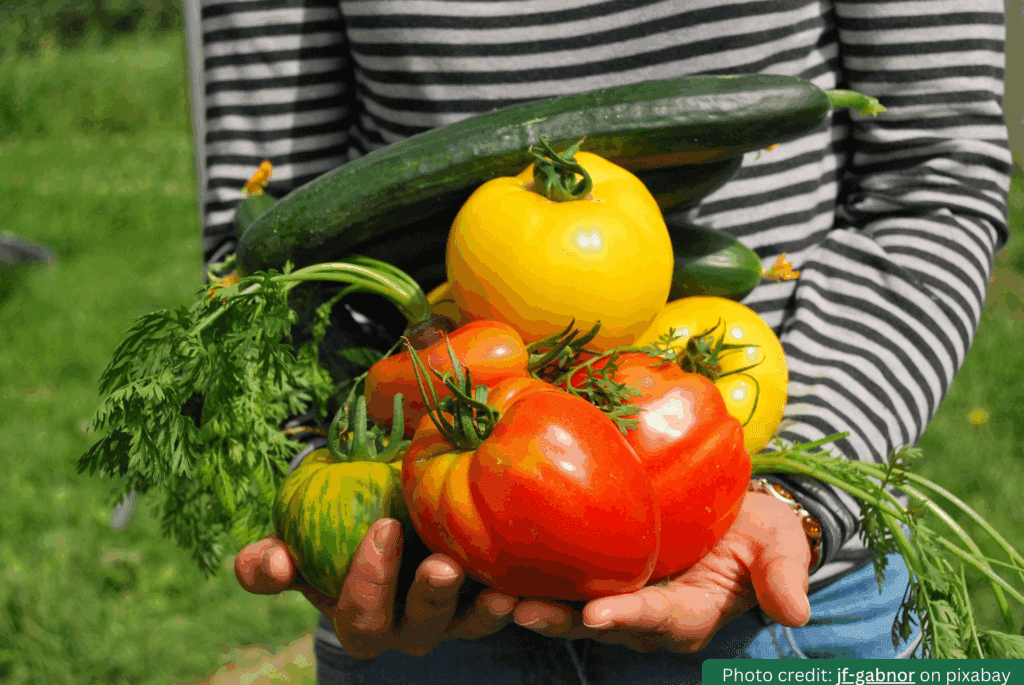
- Develop food production capabilities (gardening, preservation, cooking from scratch)
- Acquire basic mechanical, electrical, or construction skills
- Learn traditional skills that don’t require modern technology
- Practice living with reduced technology occasionally
- Develop skills that serve others (teaching, counseling, organizing)
Alternative Communication and Information
Why It Matters: If mainstream platforms restrict religious content or alternative viewpoints, believers need other ways to stay informed and connected.
Practical Steps:
- Learn to use alternative communication platforms and technologies
- Develop relationships with reliable information sources outside mainstream media
- Practice communicating without digital tools (face-to-face networks, written correspondence)
- Build libraries of physical books, especially Bibles and theological resources
- Learn basic encryption and privacy tools for digital communication
- Create backup plans for accessing information if internet access is restricted
Educational Preparation: Teaching the Next Generation
Perhaps no preparation is more important than ensuring the next generation is equipped for the challenges they might face.
Alternative Education Options
Why It Matters: Educational institutions are often the first places where ideological pressure is applied to children. Parents need options for providing education aligned with their values.
Practical Steps:

- Research homeschooling, private Christian schools, and co-op education options
- Develop relationships with other families who share your educational priorities
- Build or support educational alternatives in your community
- Learn to teach your own children basic subjects
- Create educational resources that can be shared with other families
- Prepare for the possibility that traditional educational paths might not be available
Cultural and Historical Education
Why It Matters: Children who understand history, philosophy, and culture are better equipped to recognize and resist manipulative messaging.
Practical Steps:
- Teach children church history, including stories of persecution and faithful witness
- Help them understand different worldviews and how to think critically about them
- Provide strong foundation in logic, rhetoric, and critical thinking
- Expose them to great literature and art that embodies biblical values
- Teach them to recognize propaganda and manipulation techniques
- Help them understand their own cultural moment in historical context
Mental and Emotional Preparation
Facing pressure requires not just spiritual and practical preparation, but psychological readiness for potentially difficult circumstances.
Developing Mental Resilience
Why It Matters: Pressure campaigns are designed to break mental resistance before targeting behavior. Strong mental habits provide defense against psychological manipulation.
Practical Steps:
- Practice delayed gratification and self-discipline in small things
- Develop critical thinking skills and resistance to groupthink
- Learn to find joy and meaning in simple pleasures
- Practice gratitude and contentment regardless of circumstances
- Build confidence in your ability to handle difficult situations
- Learn stress management and emotional regulation techniques
Preparing for Suffering
Why It Matters: Following Christ has always involved potential suffering. Believers who accept this reality in advance handle pressure better than those who expect comfortable Christianity.
Practical Steps:
- Study what Scripture says about suffering and persecution
- Learn from believers in other cultures who face persecution
- Practice voluntary discomfort to build tolerance for involuntary hardship
- Develop theology that can handle unanswered prayers and delayed deliverance
- Build identity around faithfulness rather than circumstances
- Cultivate joy that doesn’t depend on external conditions
Strategic Engagement: Staying Connected While Staying Faithful
Preparation doesn’t mean withdrawal from society. Instead, it means engaging strategically in ways that maintain influence while preserving faithfulness.
Civic and Professional Engagement
Why It Matters: Believers who withdraw entirely from civic life surrender influence to those who oppose biblical values. Strategic engagement can slow negative developments and protect space for faithful witness.
Practical Steps:
- Vote consistently and encourage other believers to participate in democracy
- Engage respectfully in local politics where individual influence is greatest
- Maintain professional excellence to preserve credibility and influence
- Build bridges with people who disagree with you on some issues but share others
- Support organizations and causes that protect religious freedom
- Serve on boards, committees, and volunteer organizations
Cultural Creation and Preservation
Why It Matters: Rather than just critiquing culture, believers need to create alternative cultural expressions that embody biblical values.
Practical Steps:
- Support artists, writers, and creators who produce content aligned with your values
- Create your own cultural content if you have relevant skills
- Preserve and transmit traditional cultural expressions of faith
- Build institutions (schools, businesses, media) that operate from biblical principles
- Patronize businesses and organizations that share your values
- Mentor others in developing cultural and creative skills
The Integration Challenge: Putting It All Together
The key to effective preparation isn’t trying to do everything at once, but developing an integrated approach that builds on itself over time.
Start Where You Are
Assessment Questions:
- Which area (spiritual, relational, practical, educational, mental/emotional, strategic) is your weakest?
- What resources do you already have that could be developed further?
- Which preparation activities would benefit your family most immediately?
- Where could you begin making changes without overwhelming yourself?
Build Gradually
Implementation Strategy:
- Choose one area to focus on for several months before adding others
- Connect with others who share your preparation goals
- Set realistic goals that build momentum rather than create discouragement
- Celebrate progress and learn from setbacks
- Adjust your approach based on what you learn and how circumstances change
Stay Balanced
Important Reminders:
- Preparation should increase confidence in God, not anxiety about circumstances
- The goal is faithful readiness, not fearful hoarding or withdrawal
- Continue normal life responsibilities while building additional capabilities
- Remember that your preparation serves others, not just yourself
- Maintain joy and hope regardless of how challenging the future might appear
The Ultimate Preparation
The most important preparation for any future challenge is the same as the most important preparation for today: knowing Jesus Christ deeply, following Him faithfully, and trusting His promises completely.
All the practical steps we’ve discussed are valuable, but they’re supplements to spiritual preparation, not substitutes for it. The believers throughout history who maintained faithful witness under extreme pressure did so not because they had perfect preparation, but because they knew their God.
Whatever the future holds – whether it includes the pressures we’ve examined throughout this series or challenges we haven’t anticipated – our confidence isn’t in our preparation but in God’s faithfulness. We prepare not because we’re afraid, but because we love God and want to serve Him effectively, regardless of circumstances.
The ancient strategies we’ve studied throughout this series represent humanity’s recurring attempts to oppose God and His people. But they also reveal the consistency of God’s character and the reliability of His promises. Every tyrant who implemented these strategies ultimately failed. Every system that opposed God’s people ultimately crumbled. Every pressure campaign designed to break faithful witness ultimately strengthened the church.
This pattern won’t change, even if future challenges exceed anything we’ve previously faced. Our preparation simply positions us to participate faithfully in God’s ultimate victory, whatever role He calls us to play.
The Antichrist’s playbook may be comprehensive, but it’s not unbeatable. After all, we’ve read the ending – and we know who wins.

Conclusion to our series: In examining the evolution of antichrist concepts from ancient tyrants to modern possibilities, we’ve seen that while methods may change, the fundamental conflict between God’s kingdom and human rebellion remains constant. Our calling as believers isn’t to predict the future perfectly, but to remain faithful within it. Whether the challenges ahead are greater or lesser than we’ve anticipated, our confidence remains in the God who has already secured victory through Jesus Christ.
Links to my whole Antichrist Series:
“The Antichrist Explained: What the Bible Really Says (And Why Peter Thiel’s Secret Lectures Matter)” – What might a billionaire tech giant say about the antichrist? And what does the Bible say about that man of lawlessness?
“Exploring the Role of Antichrist Symbolism in New World Order Theory” – a blog about mankind’s ancient fascination with the antichrist of the Bible and his connection to a proposed New World Order
“Tracking the Cultural Shift: Antichrist Imagery through the Ages” – perceptions of the antichrist have changed dramatically over the ages
“The Antichrist’s Playbook: How Ancient Tyrants Established the Template” – What if Satan has been honing his skills down through the ages? This blog studies five antichrist types and their diabolical methods of trying to deceive God’s people.
“Building the Beast System: How Modern Infrastructure Enables Ancient Strategies” – exploring modern systems the antichrist may use in controlling the Earth
“Field Testing the Playbook: Modern Movements Rehearsing Ancient Strategies” – exploring movements and ideologies already in place in our world and providing a “test run” for the antichrist system
“Lessons from the Faithful: How Believers Throughout History Resisted the Playbook” – finding encouragement from the faithfulness of Bible heroes
“Preparing for the Unknown: Practical Steps for Faithful Readiness” – this blog
***

Here are links to my blog indexes, so please click one and keep reading!
My Books, Workbooks, and Fun Books
Knowing the Unknowable One
Opening the Treasure Chest
Walking Heart-to-Heart with God
Walking Heart-to-Heart with Each Other
Fighting the Good Fight of Faith
Christian Mysteries: Why I Love Them!
List of Some Nonfiction Books You Don’t Want to Miss
Index of Assorted Topics
This article really highlights how AI is reshaping creative workflows. Tools like Lovart AI are game-changers, especially with their tri-modal interface and Figma integration-makes design smarter and faster.
I’m not familiar wth Lovart, but you’re right about AI’s impact on the future. I especially admire image-creating AI’s, and I wish you the best with Loveart!