
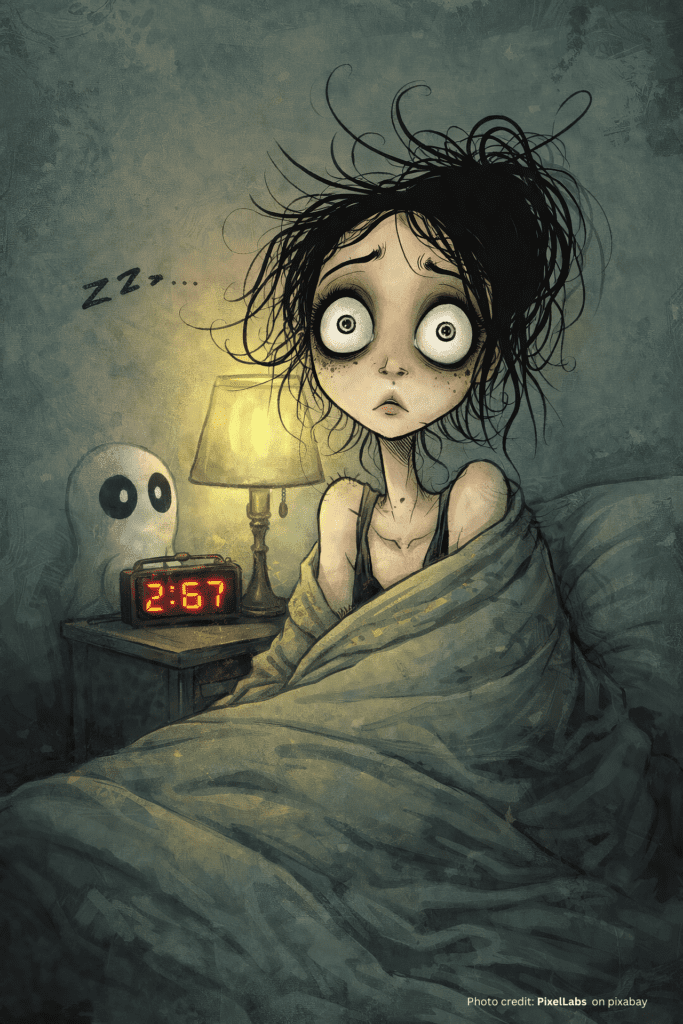
If you’ve been lying awake at 3am, staring at the ceiling while your mind races and your body refuses to cooperate, you’re not alone. Insomnia is one of the most common — and most exhausting — symptoms of menopause. And for many women, it becomes a cycle that feels impossible to break.
Most of us know the usual suggestions: cut back on caffeine, avoid screens before bed, try magnesium. Some women turn to hormone therapy or sleep medications. But there’s another option that doesn’t get nearly enough attention, and the research behind it is surprisingly strong.
It’s called Cognitive Behavioral Therapy for Insomnia — CBT-I for short.
So What Exactly Is CBT-I?
CBT-I is a structured, evidence-based approach that works by identifying and changing the thoughts and behaviors that interfere with sleep. Rather than simply knocking you out the way a sleeping pill does, it addresses the underlying patterns that are keeping you awake in the first place.
It typically involves working with a trained therapist over four to eight sessions. During that time, you might explore things like:
- Sleep restriction — counterintuitively, temporarily limiting time in bed to rebuild a stronger sleep drive
- Stimulus control — retraining your brain to associate your bed with sleep rather than wakefulness and worry
- Cognitive restructuring — identifying and challenging the anxious thoughts that tend to spiral the moment your head hits the pillow (“I’ll never get to sleep,” “I have to be up in four hours”)
- Relaxation techniques — practical tools to calm the nervous system at bedtime
- Sleep hygiene — personalised guidance rather than the generic advice you’ve probably already heard
What makes CBT-I particularly compelling is that its benefits tend to last. Unlike medication, which often stops working the moment you stop taking it, the skills you build in CBT-I continue to support better sleep long after the sessions end.
Why Menopause Makes Sleep So Hard
Here’s something worth knowing: insomnia during menopause isn’t just an inconvenience. Recent research has highlighted that poor sleep is one of the reasons menopause can accelerate the aging process in women. Hot flashes and night sweats disrupt sleep architecture. Shifting hormones affect the brain chemicals that regulate sleep. Anxiety — which often spikes during perimenopause and menopause — keeps the nervous system on high alert at night.
In other words, the struggle is real, and it’s physiological. It’s not a matter of just relaxing more or thinking positive thoughts. Your brain and body are genuinely going through something significant.
That’s exactly why CBT-I can be so valuable — because it works with the mental and behavioral side of insomnia in a way that complements whatever else you may be doing to manage your menopause symptoms.
This Isn’t Something You Can DIY From a Blog Post
I want to be upfront with you: reading about CBT-I is not the same as doing it. A blog post can plant a seed, but the real work happens with a qualified professional who can tailor the approach to your specific patterns and history. Four to eight sessions sounds like a commitment — and it is — but for many women it represents a genuine turning point after years of poor sleep.
If you’re interested in exploring CBT-I, a good starting point is talking to your GP or primary care physician. You can also search for therapists who specialize in sleep disorders, and in many countries there are now digital CBT-I programs that have been clinically validated and can be more accessible and affordable than traditional therapy.
You Deserve Better Sleep
If you’ve been managing on broken sleep and just accepting it as part of menopause, I’d encourage you to look into this. I’ll be honest — I’ve struggled with insomnia for a couple of years myself, and I wish I’d known sooner that CBT-I was an option.
Menopause brings enough challenges without chronic sleep deprivation added to the mix. Better sleep is worth pursuing — and for many women, CBT-I might be exactly the key that unlocks it.

a
If you found this helpful, you might enjoy my book Dancing Through Menopause, which covers the full spectrum of menopause experiences with honesty, warmth, and practical insight.
a
a
Here are links to my blog indexes, so please click one and keep reading!
My Books, Workbooks, and Fun Books
Knowing the Unknowable One
Opening the Treasure Chest
Walking Heart-to-Heart with God
Walking Heart-to-Heart with Each Other
Fighting the Good Fight of Faith
Christian Mysteries: Why I Love Them!
List of Some Nonfiction Books You Don’t Want to Miss
Index of Assorted Topics